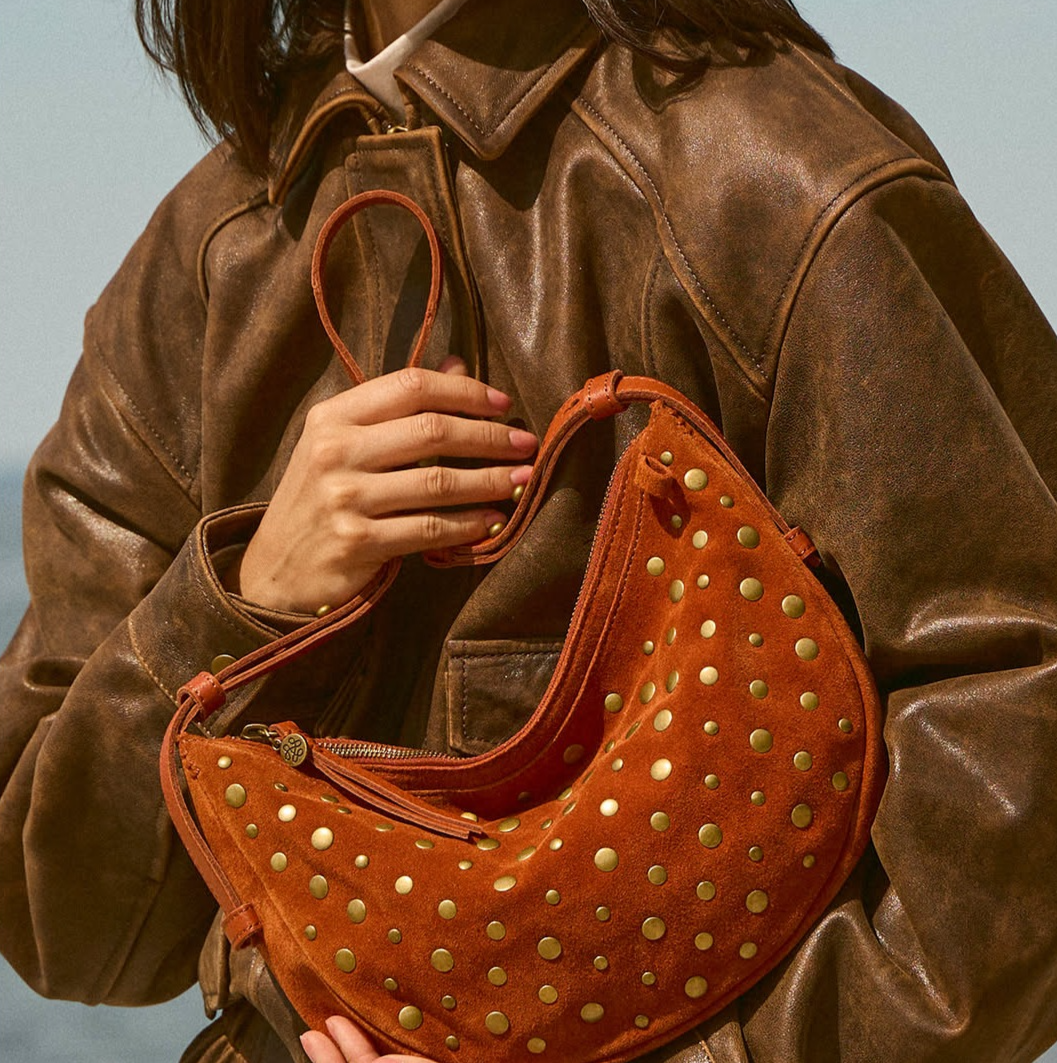
A guide to choosing a wool coat that hangs well and stays warm. I pulled the cuts I would wear from the first cold morning to midwinter.
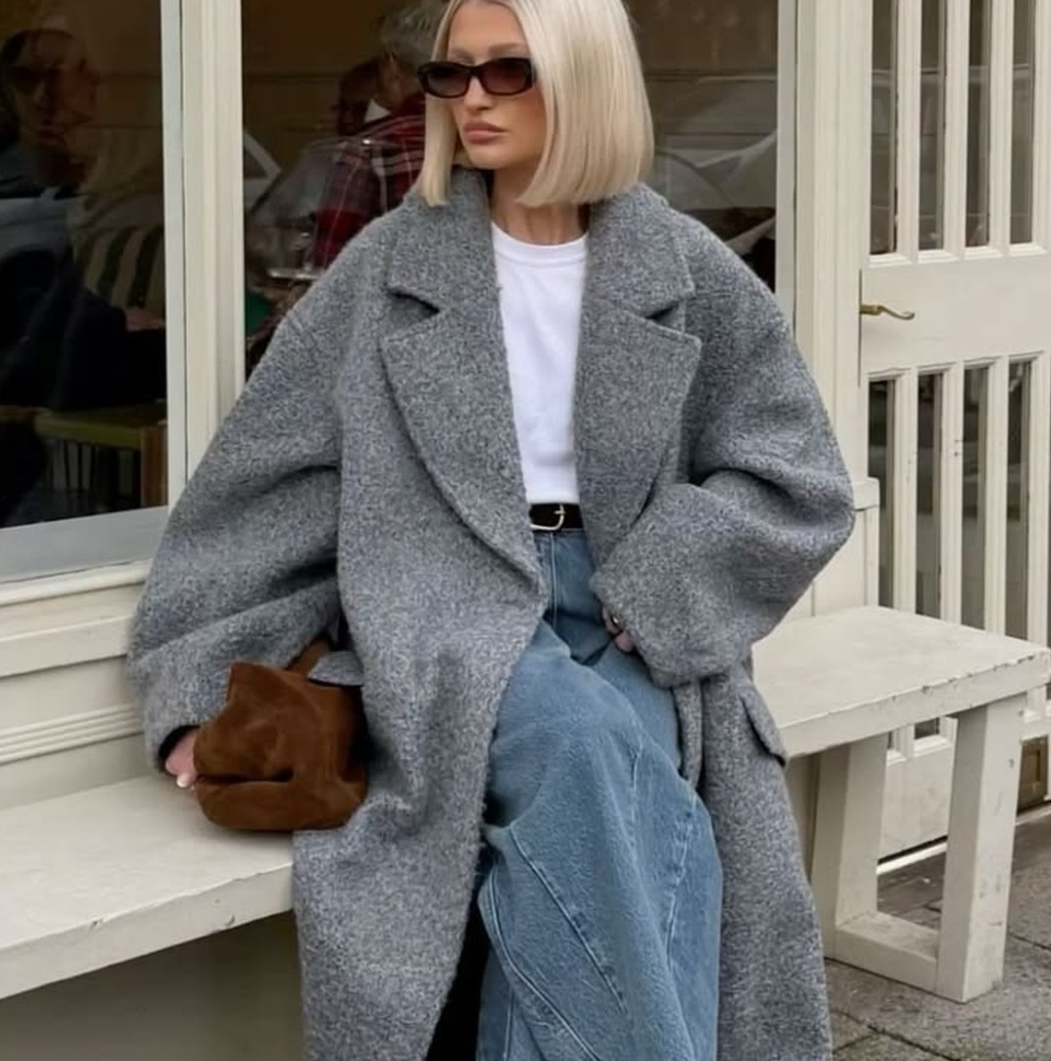
Wool Coats
The one layer that decides how the whole season looks
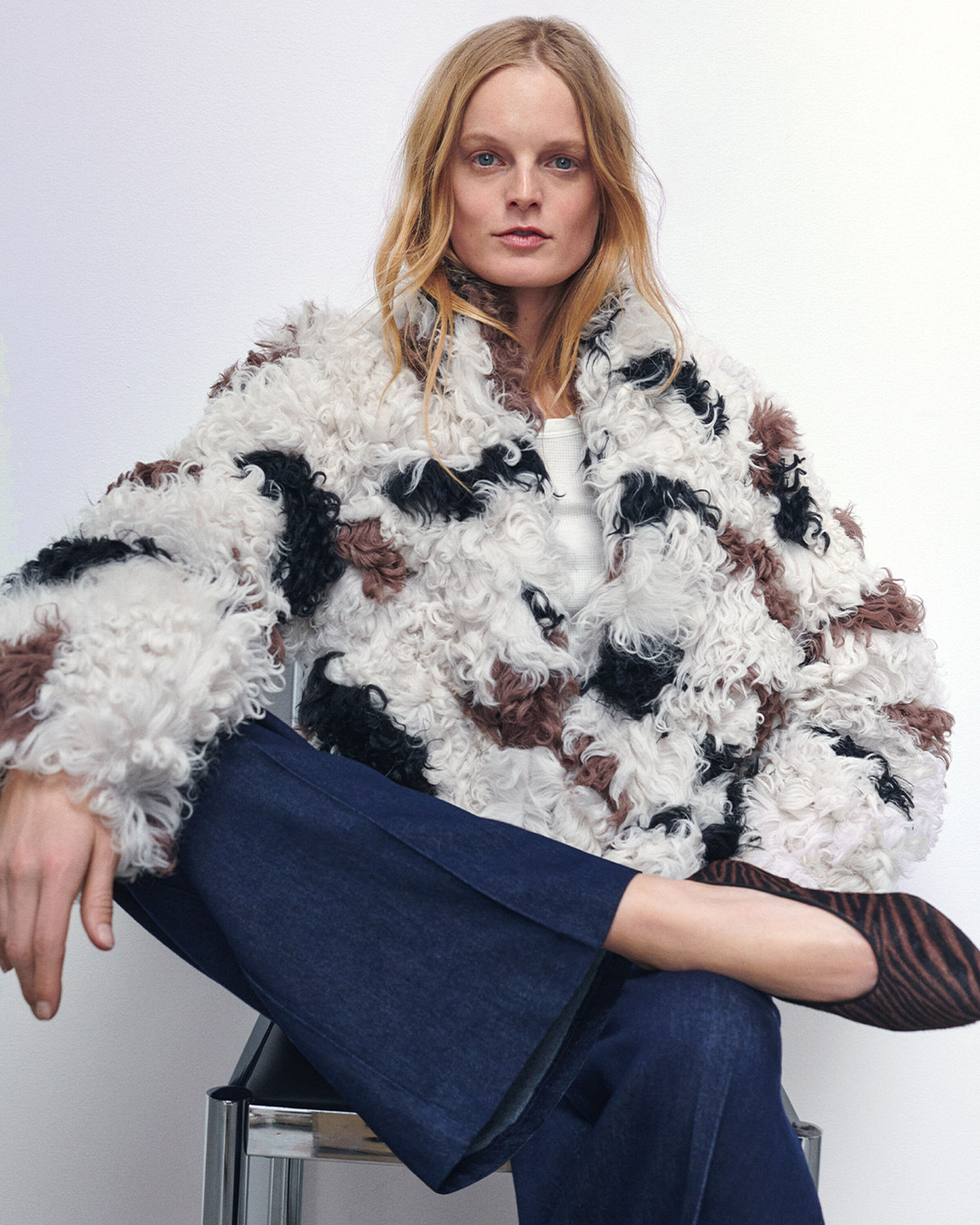
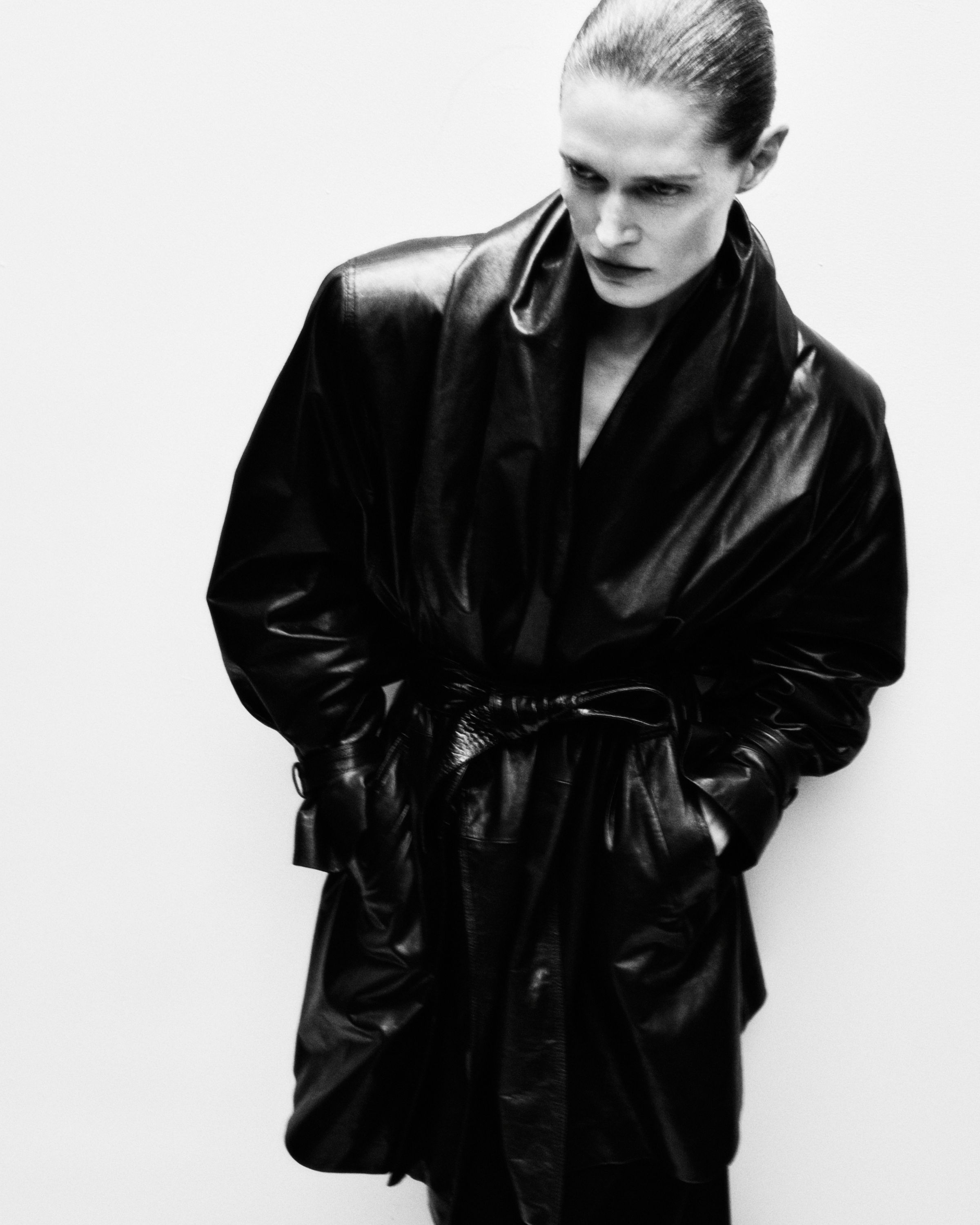
A good wool coat does more work than anything else in your closet from October on. It is the first thing people see, it covers whatever you are wearing underneath, and it sets the tone for the entire outfit before you even say hello. The best ones share a few traits. Look for a fabric with some real density, a smooth melton or a soft brushed wool that drapes instead of stiffening, because a coat that holds its shape through a full day of sitting, walking and commuting is the whole point. Length matters just as much as material. A coat that ends at the knee or below reads polished and covers the most, while a shorter cut feels more casual and works better with wider trousers. Pay attention to the shoulder seam and the sleeve, since those are the parts a tailor can fix least easily. Colors like charcoal, camel, chocolate and a deep navy go with nearly everything you already own, and a single unexpected shade can make an ordinary outfit feel considered.
The cuts I would start with are the Favorite Daughter Metropolitan Coat in camel and the RAILS Celeste in chocolate, both easy to wear from the first cold morning.
Where to start

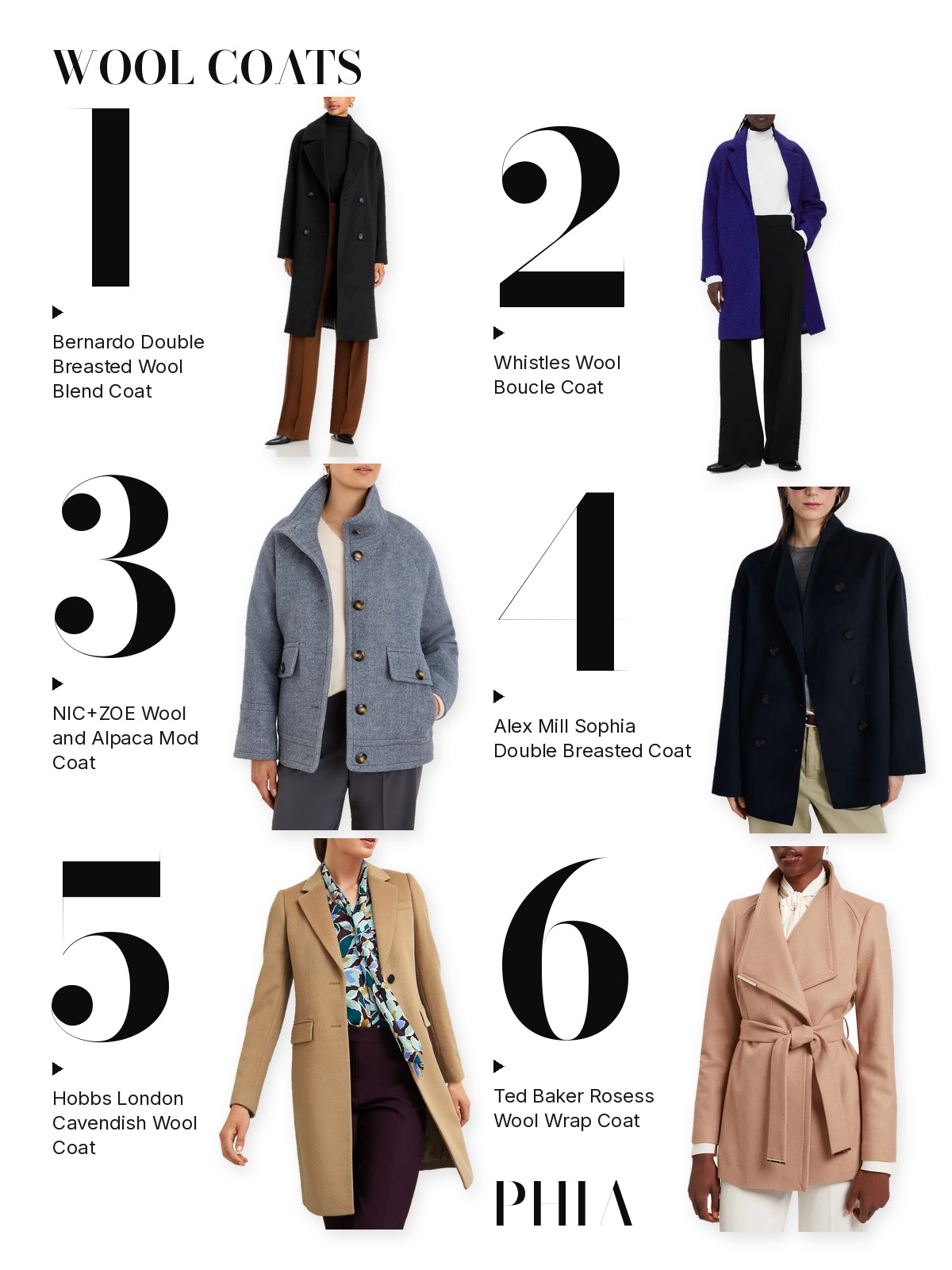
Relaxed Double Breasted Wool Blend Coat
Bernardo
$172.5

Wool Boucle Coat
Whistles
$280

Wool & Alpaca Mod Coat
NIC+ZOE
$261

Sophia Double Breasted Wool Coat
Alex Mill
$281.25

Wool Blend Belted Coat
DKNY
$299.25

Hooded Slick Wool Blend Coat
Cole Haan
$337.5

Cavendish Wool Coat
HOBBS LONDON
$360

Rosess Wool Blend Wrap Coat
Ted Baker
$393.75

The Metropolitan Coat
Favorite Daughter
$650

The City Coat
Favorite Daughter
$595

Long Connery Coat
PAIGE
$499

Celeste Wool Coat
RAILS
$498
The easiest way to wear a wool coat is to let it be the loudest thing on you. Keep what sits underneath quiet, a fine knit, a crisp shirt, straight or wide leg denim, and let the shape of the coat do the talking. A belted style gives a defined waist over chunkier layers, while a relaxed double breasted cut looks best left open with your hands in the pockets. Scarves are the obvious partner, but try a thin knit beanie or leather gloves for a sharper finish. Footwear can go two ways, a lug sole boot for weekends or a sleek loafer for the office, and both work because the coat carries the polish. When the weather turns properly cold, size up slightly so you can layer a thick sweater without the sleeves pulling, and check that you can lift your arms comfortably before you commit. Store it on a wide hanger, brush it now and then, and it will look good for years.
For a step up in tailoring, the Theory Lux Shawl Coat and the Harris Wharf London boiled wool overcoat are the two I would try on first.
A step up in tailoring

Finley Wool Blend Coat
rag & bone
$598

Double Breasted Wool Blend Herringbone Coat
Lauren Ralph Lauren
$483.75

Effie Wool Blend Coat
ALLSAINTS
$499

Wool Blend Double Breasted Coat
Theory
$521.25

Sara Wool Belted Coat
HOBBS LONDON
$570

Longrundbl Double Faced Wool Long Coat
MAX&Co.
$615

Marlowe Wool Blend Belted Coat
REISS
$598

Double Breasted Long Wool-Blend Coat
Vince
$748.5

Overcoat Boiled Wool
Harris Wharf London
$800

Blanket Coat Pressed Wool
Harris Wharf London
$775

Lux Shawl Coat
Theory
$845

Jill Wool Coat
Apparis
$625
Wool coats for the cold months
The Frankie Shop, Sportmax, Max Mara and Acne Studios cover the camel, black and grey I wear most, while The Row, Khaite, Toteme and Jil Sander are the quiet tailoring names I would look at if I wanted one coat for ten winters. Check the shoulder seam and sleeve length first, because they are hard to alter.
Designer wool coats and tailored jackets

Gaia oversized wool-blend coat
The Frankie Shop
$545

Onelle reversible wool-blend wrap coat
The Frankie Shop
$420

Leroy wool-blend coat
The Frankie Shop
$515

Belted herringbone virgin wool coat
Sportmax
$2,390

Hooded virgin wool coat
Sportmax
$1,575

Virgin wool wrap coat
'S Max Mara
$1,990

Wool wrap coat
'S Max Mara
$1,890

Single-breasted wool coat
Acne Studios
$2,050

Double-breasted wool-blend coat
Victoria Beckham
$2,250

Belted wool and silk coat
Fendi
$5,800

Double breasted wool-blend coat
Chloé
$3,650

Calf hair-trimmed virgin wool coat
Róhe
$1,805

Double-breasted virgin wool coat
Jil Sander
$5,450

Emma double-breasted wool coat
The Row
$4,200

Anthrene reversible wool and cashmere down coat
Moncler
$5,125

Wool and cashmere-blend peacoat
Toteme
$1,520

Olmo double-breasted wool and cashmere coat
Loulou de Saison
$1,100

Spencer wool and cashmere coat
Joseph
$2,205

Romare wool wrap coat
Khaite
$4,400

Checked double-breasted wool coat
Dries Van Noten
$2,425

Collarless Wool-Cashmere Coat
Auter
$1,250

Belted Wool-Cashmere Trench Coat
Auter
$1,650

Knot Front Wool Coat
Burc Akyol
$3,780

Cheetah Collar Wool Coat
Róhe
$1,805

Oversized Wool Jacket
Prada
$6,500

Virgin Wool Blazer
Saint Laurent
$4,100

Tailored Wool-Linen Melange Toile Jacket
Bottega Veneta
$4,000

Rolo Draped Wool-Silk Cady Jacket
Khaite
$3,600

Puff-Sleeve Checked Wool Blazer
Miu Miu
$2,970

Dugan Belted Wool-Blend Coat
Altuzarra
$2,795

Embroidered Wool Jacket
Oscar de la Renta
$2,490

AJ Tartan-Checked Wool Jacket
DARKPARK
$2,040

Canyon Draped Wool-Blend Coat
Ossou
$1,995

Espiga Leather-Wool Blazer
Curatoria
$1,970

Keyhole Wool Jacket
COLLEEN ALLEN
$1,890

Double-Breasted Wool-Blend Peacoat
Auter
$1,850

Magdalena Single-Breasted Wool Coat
By Malene Birger
$1,400

Wool Hoodie Coat
Toteme
$1,390

Swan Checked Wool Jacket
NILI LOTAN
$1,390

Wool Jacket
Another Tomorrow
$1,250

Harper Wool Blazer
TWP
$1,195

Lona Double-Faced Wool Hooded Coat
Sea
$1,195

Wool Single-Breasted Gilet
Max Mara
$1,150

Velma Zip-Up Wool-Cashmere Jacket
High Sport
$1,140

Nelly Wool Jacket
Proenza Schouler White Label
$895

Abby Wool Jacket
Alfie
$880

Martina Long Sherpa-Wool Coat
Citizens of Humanity
$798

Virelle Wool-Blend Jacket
SIMKHAI
$795
Try it on over your thickest sweater
I think a wool coat is worth spending real thought on, because you will wear it almost every day for months. The most common mistake is buying for the mannequin instead of your own routine. If you walk a lot, prioritize warmth and a comfortable weight. If you commute, look for pockets deep enough to hold a phone and gloves. Neutral colors give the most wear, but there is nothing wrong with a richer shade if it suits your skin and your wardrobe. Try coats on over the thickest sweater you own, move around in them, sit down, reach forward. The right one will feel easy to wear and look right from every angle, and that is usually the sign you have found the keeper. If you want to keep browsing, I also put together Coats for the Long Season Ahead and Vintage Opera Coats.