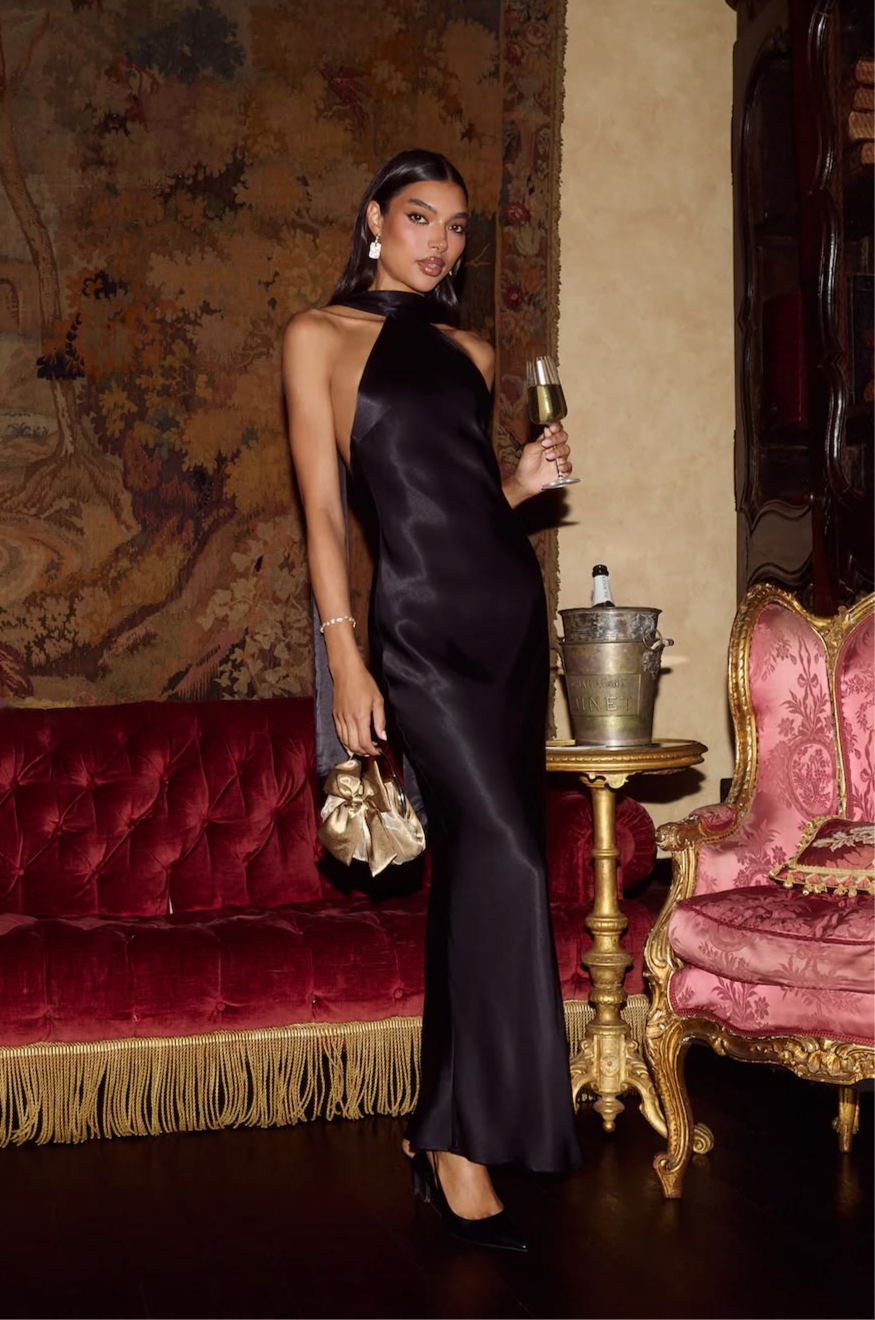
Giuseppe Di Morabito is a Milan label built on a Calabrian childhood of church frescoes, lace and patient sewing. I like how it holds sculptural tailoring and soft drama in the same outfit, and this edit starts with the jackets.
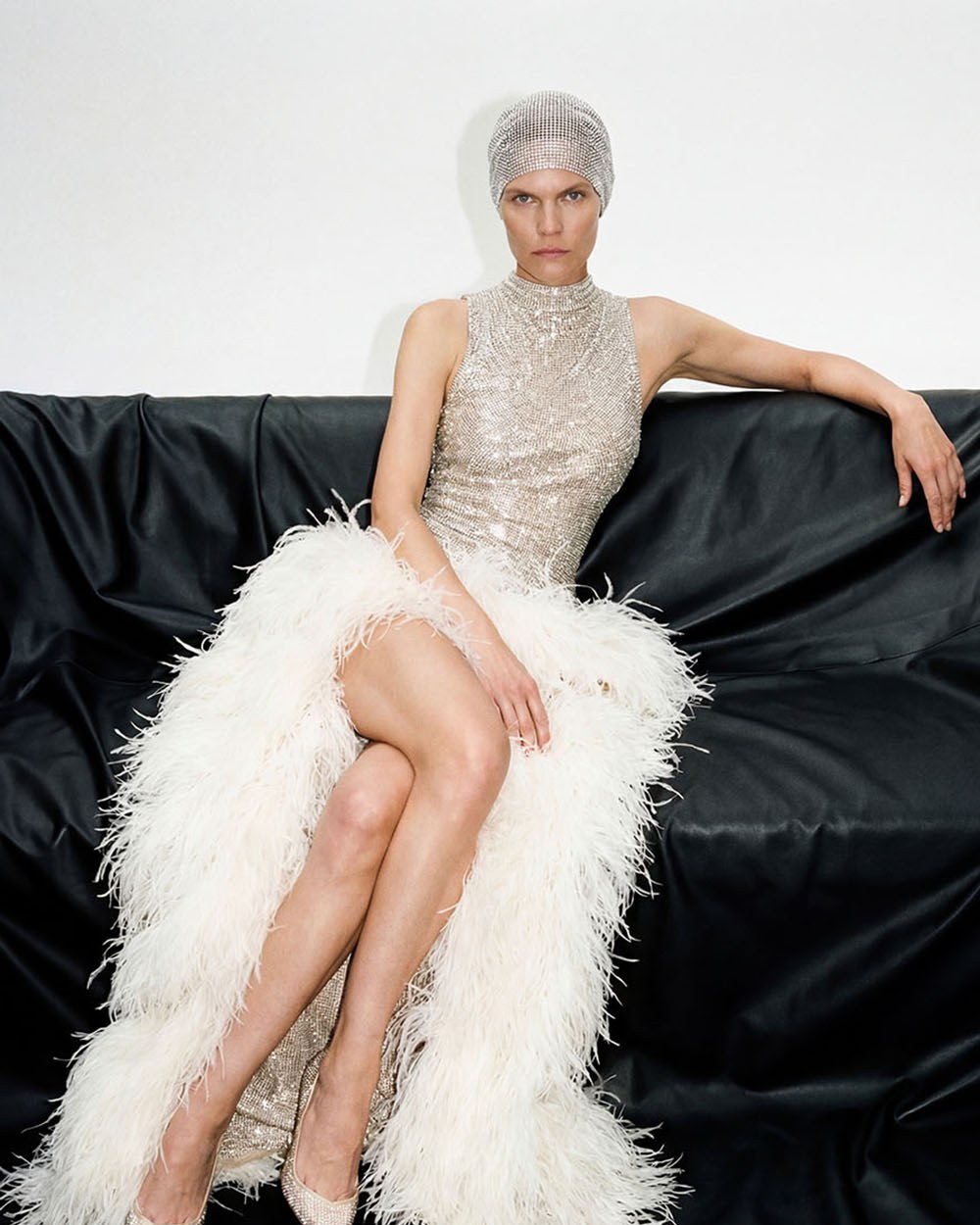
GIUSEPPE DI MORABITO Jackets: A Shopper's Guide
A Calabrian eye, a Milan label
Some designers begin with a silhouette. I imagine Giuseppe Di Morabito beginning with a church fresco, a lace table and the patient hands that shaped his childhood in Molochio. Born in Calabria in 1992, he moved to Milan in 2013 to study fashion at Istituto Marangoni, then left to focus on his own label, which debuted in 2014. His early pieces turned Roman Baroque ceilings into printed bomber jackets, a very good collision of sacred art and streetwear.
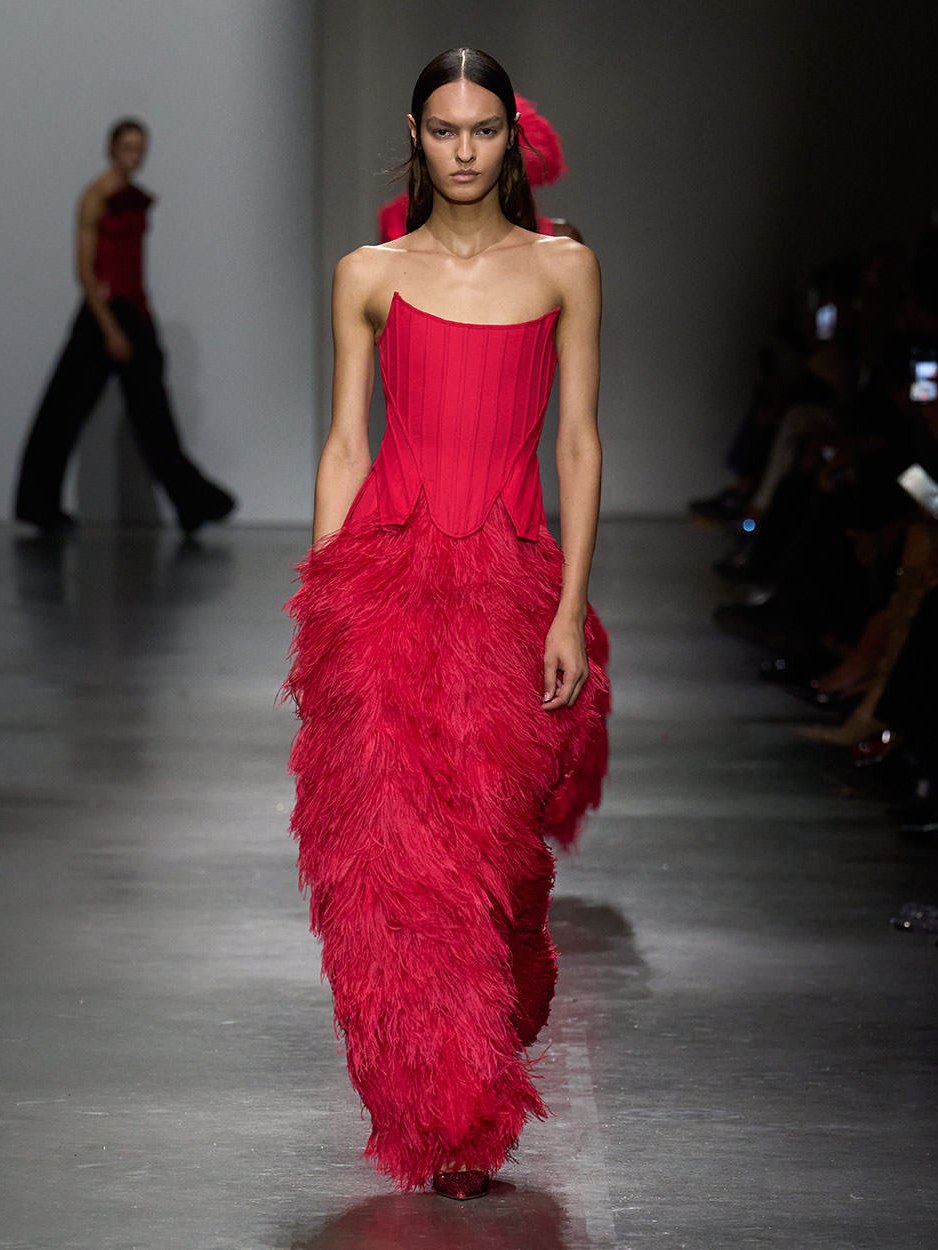
That beginning is still in the clothes. His mother and local seamstresses helped make the first handmade pieces, and the sewing and embroidery traditions of home now sit beside corsetry, sharp tailoring and fluid draping. He later represented Italy in womenswear at the International Woolmark Prize, and he showed on the runway for the first time in 2025 with a collection about strength and vulnerability, staged next to a humanoid robot. I find that ambition endearing, and you can read his own story too.
Outerwear with a little theater
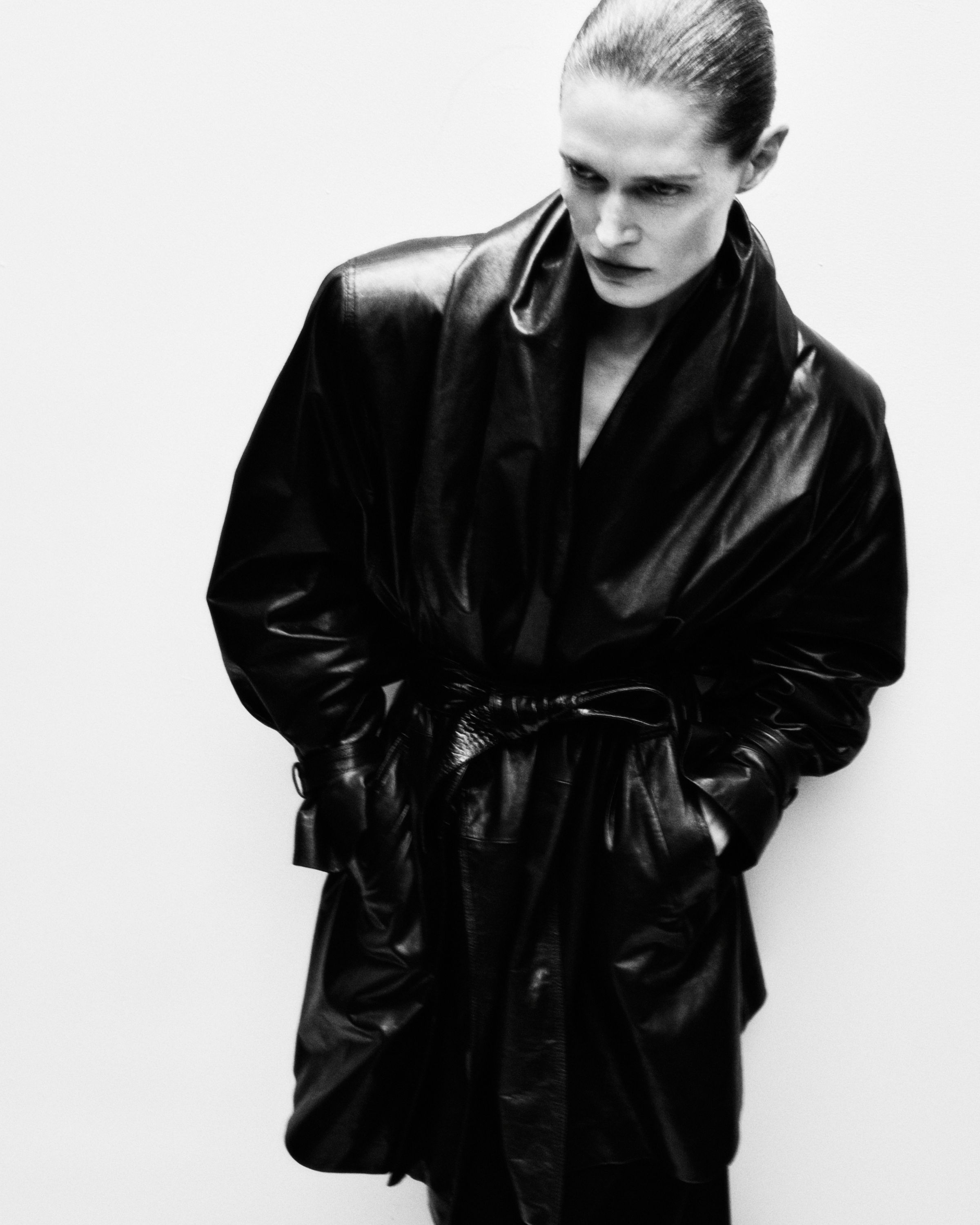
When I want structure without losing a little drama, I start with the Rosette Double-breasted Blazer, where the rosette softens a clean double-breasted line. The Double Breasted Coat and Shawl Wrap Short Trench keep that tailored backbone but shift the proportion. I like a cropped wrap over a fluid dress, and the longer coat with sleek black pants.
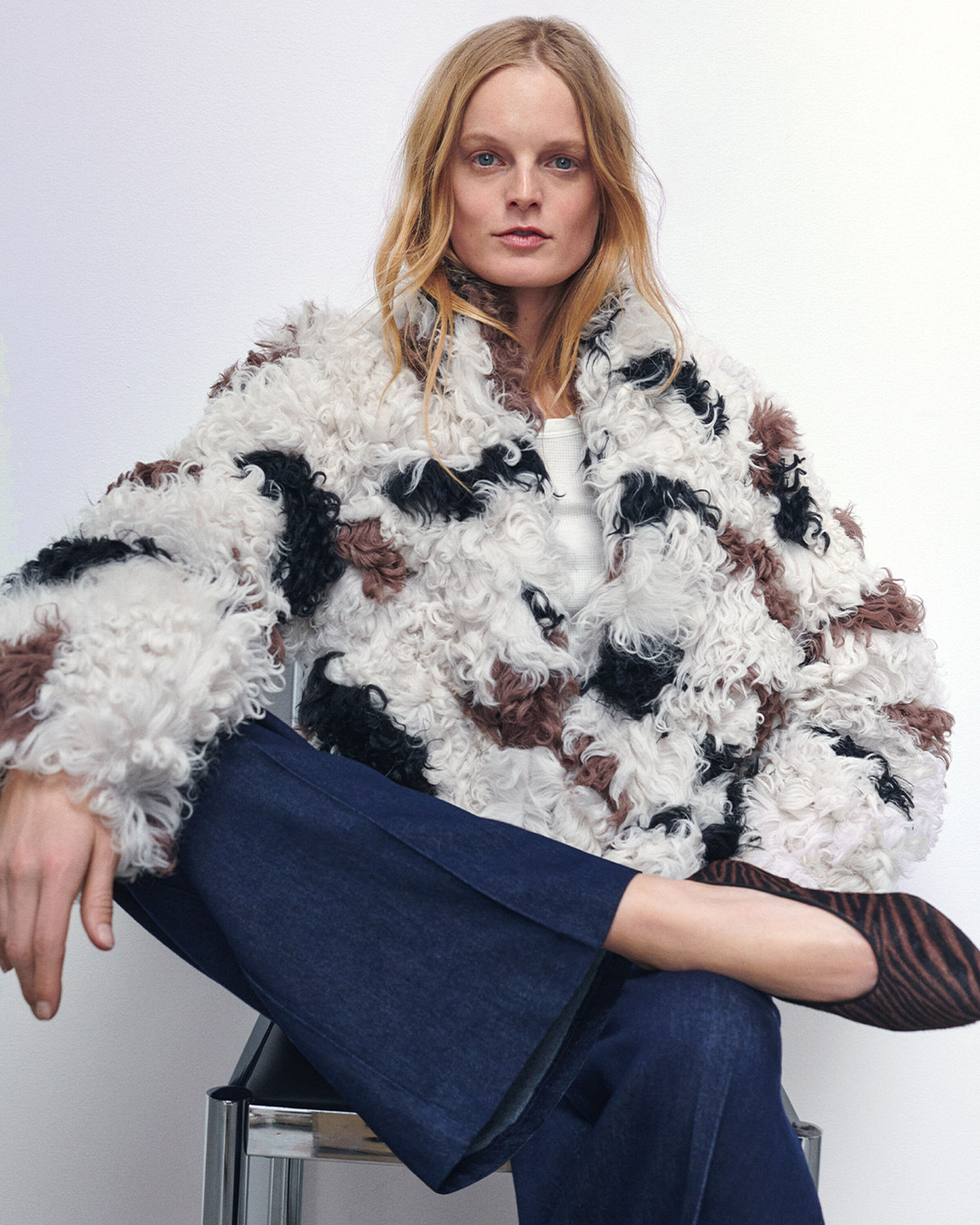
For after dark, the Sequin Jacket can do the talking over a plain base layer. The Faux Fur Coat and Faux Fur Collared Bomber Jacket bring plush contrast to all that precision. I would choose one tactile piece and keep the rest quiet so the shape has room to register.

Rosette Double-breasted Blazer
GIUSEPPE DI MORABITO
$812

Belted Short Jacket
Giuseppe Di Morabito
$1,215

Double Breasted Coat
GIUSEPPE DI MORABITO
$481

Faux Fur Coat
GIUSEPPE DI MORABITO
$1,277

Sequin Jacket
GIUSEPPE DI MORABITO
$566

Shawl Wrap Short Trench
GIUSEPPE DI MORABITO
$1,414

Faux Fur Collared Bomber Jacket
GIUSEPPE DI MORABITO
$1,708

Double-breasted Blazer
GIUSEPPE DI MORABITO
$1,596
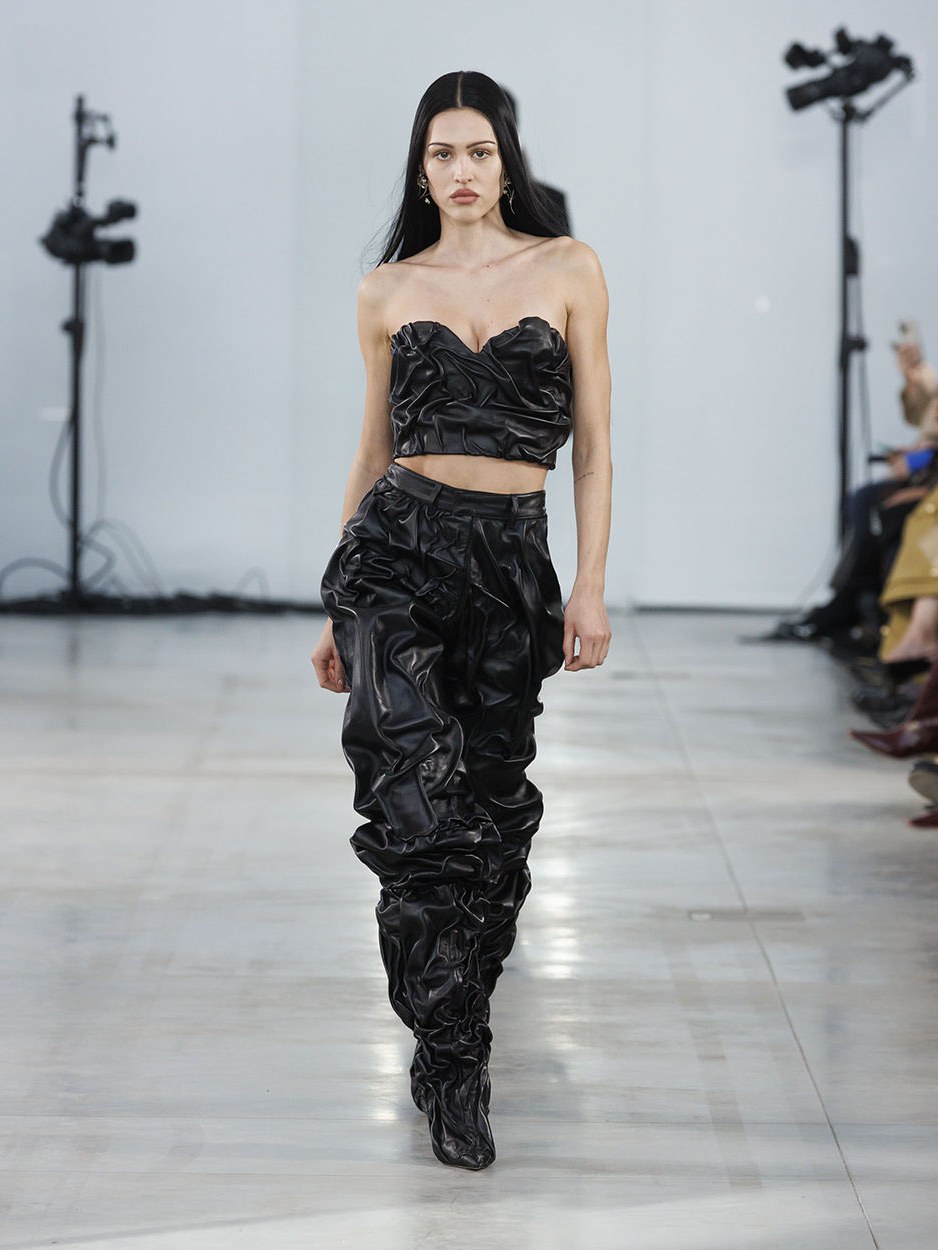
Sculpted tops, softened by denim
With a label this interested in corsetry, the Bustier Top is the natural focal point, and I would let its shape show under a sharply cut blazer. The Beaded Top brings surface detail for evening, and the Denim Top takes the same fitted idea somewhere more casual. The Tank Top and Top are the quiet ones, useful when I want a clean base to carry the look.
Picture her going from a long lunch to a late dinner in the Bustier Top and tailored pants, trading heels for flats on the way home. I would balance the embellished pieces with uncomplicated bottoms and keep jewelry restrained.


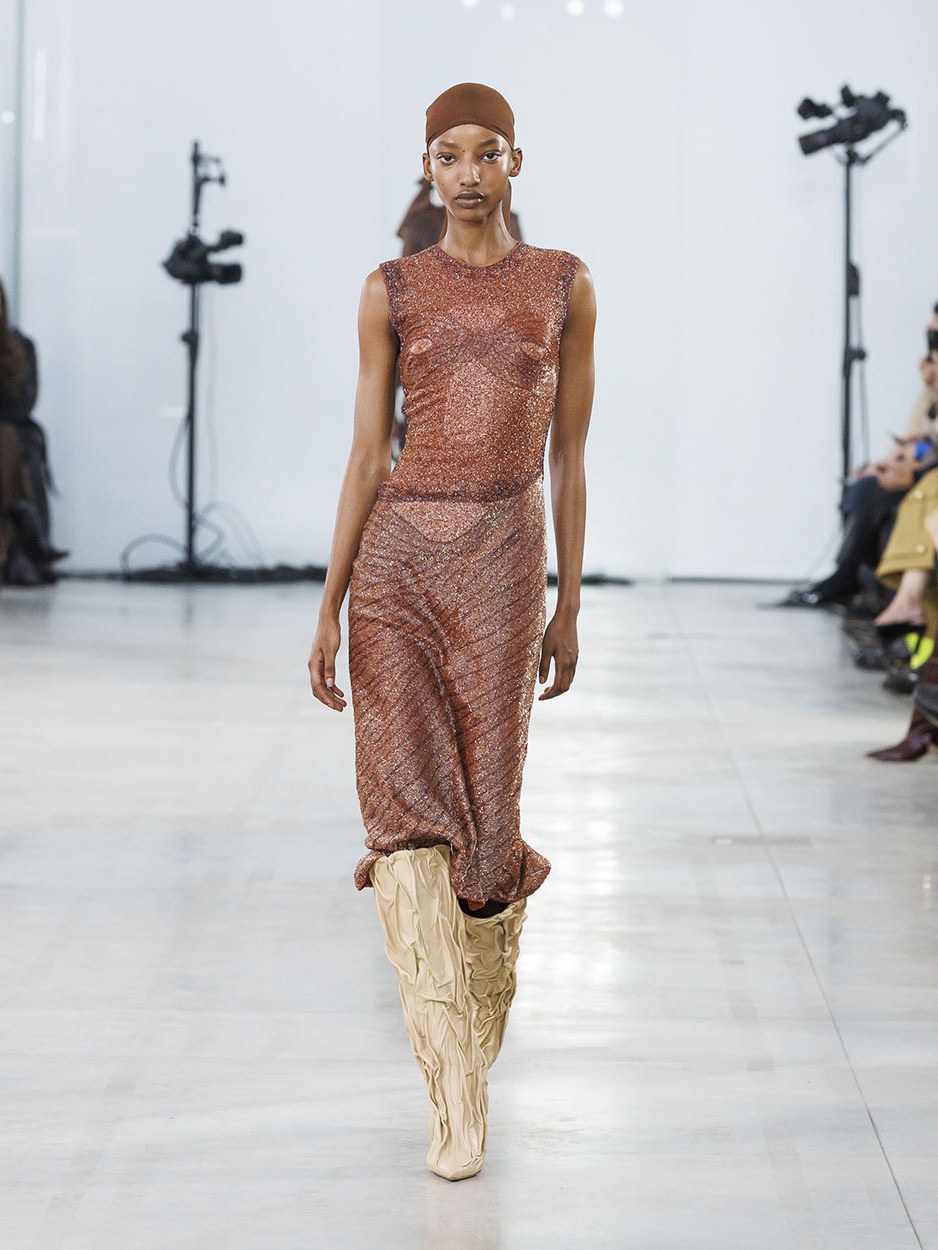
A sharper line in tailoring
I like how the Pleated Tailored Trouser gives the collection a clean, architectural base, especially next to a fitted knit or a crisp shirt. The Denim Trouser loosens the mood without losing the considered cut, and the Embellished Wide Leg Jean adds some light-catching detail to a familiar shape. The white Trouser is the most graphic of the group, and I would ground it with a dark blouse and a pointed flat.
These can hold their own beside corsetry or a dramatic jacket, which is where Di Morabito's tension between tailoring and sensuality becomes useful. If I were choosing one pair first, it would be the pleated one, for its range from office hours to dinner.

Pleated Tailored Trouser
GIUSEPPE DI MORABITO
$630

Crystal Leggings
Giuseppe Di Morabito
$378

Denim Trouser
GIUSEPPE DI MORABITO
$426

Embellished Wide Leg Jean
GIUSEPPE DI MORABITO
$472

Wide Leg Trousers
Giuseppe Di Morabito
$555

Trouser
GIUSEPPE DI MORABITO
$422

Pleated Tailored Trouser
GIUSEPPE DI MORABITO
$798

Sequin Pant
GIUSEPPE DI MORABITO
$536
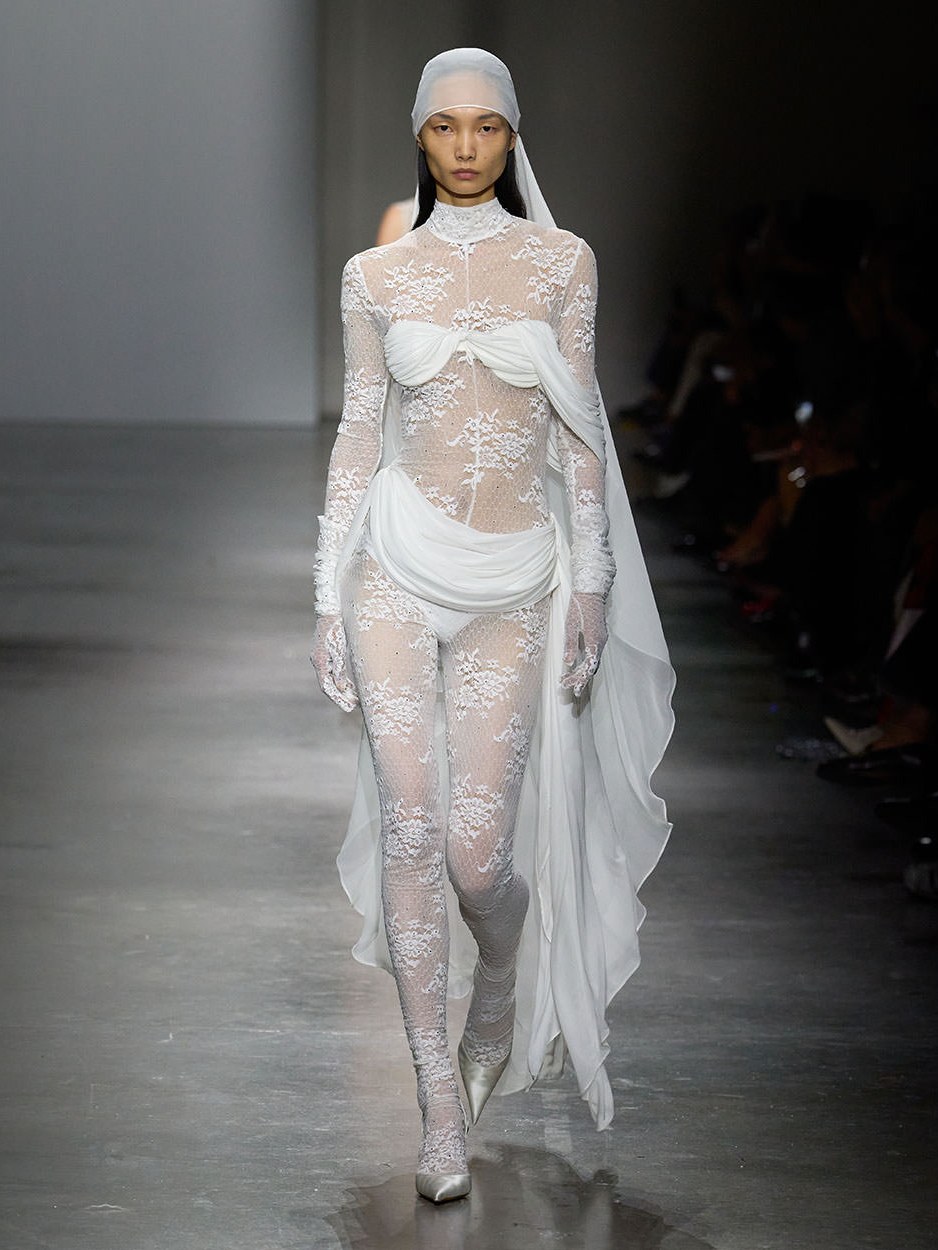
From a brief to a grand entrance
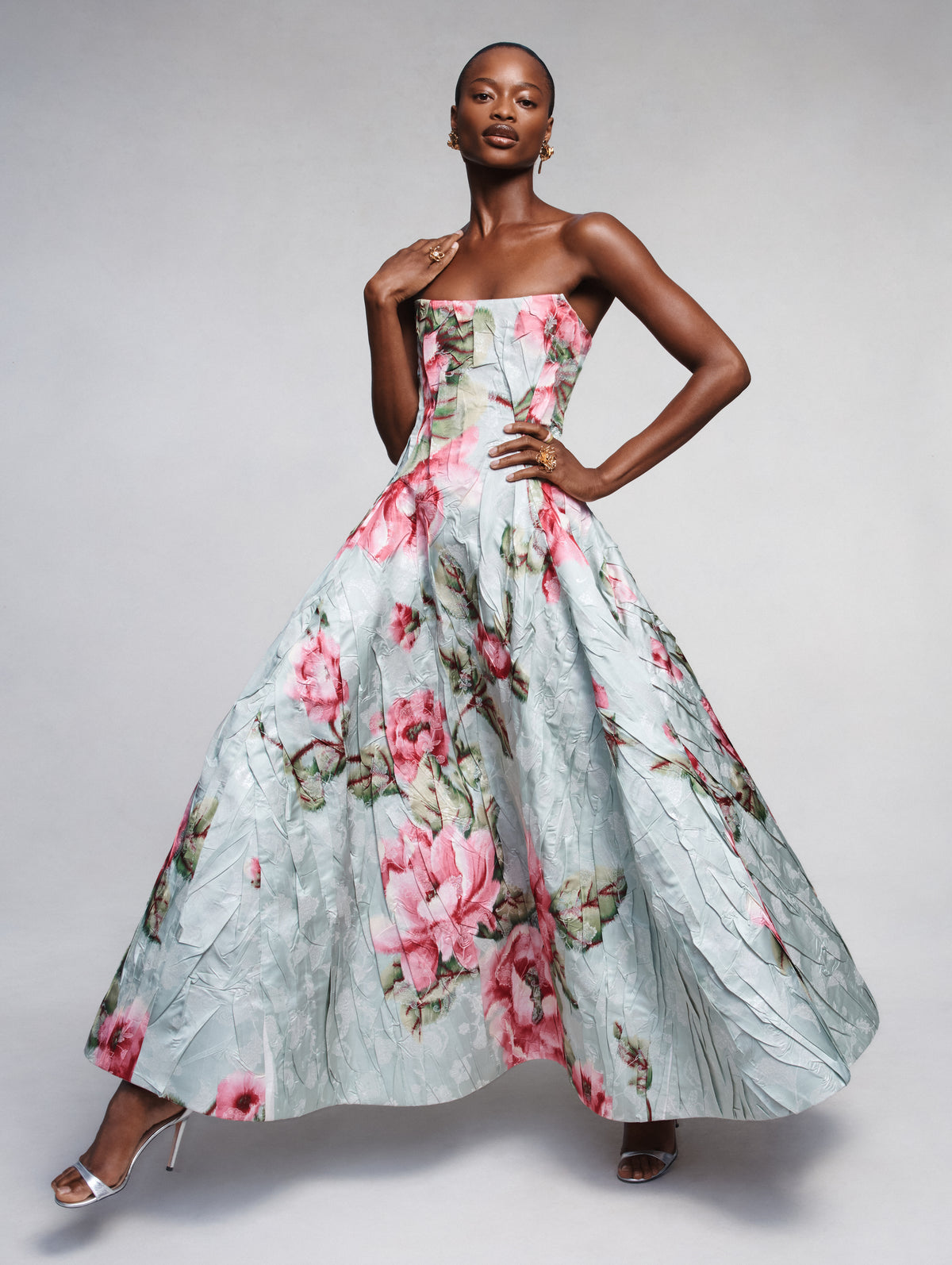
This mixed group moves between occasion dressing and the pieces that make it feel real. The Short Dress is an easy start, the Long Dress turns the dial toward a formal entrance, and the Beaded Skirt brings hand-finished sparkle to a clean blouse. For a softer counterpoint, I would tuck the Sweater into the Skirt and keep the proportions close. The Denim Wide Leg and Short are a casual reset between the dressier moments.
Picture her in the Beaded Skirt and Sweater for a gallery opening, then the Long Dress for the dinner after. I would build one look around a single focal piece instead of asking every texture to compete, and skip wearing the beading and the lace together.

Short Dress
GIUSEPPE DI MORABITO
$500

Mini Sweetheart Neck Knit Dress
Giuseppe Di Morabito
$318

Long Dress
GIUSEPPE DI MORABITO
$805

Beaded Skirt
GIUSEPPE DI MORABITO
$380

Sleeveless Lace Dress
Giuseppe Di Morabito
$252

Skirt
GIUSEPPE DI MORABITO
$453

Sweater
GIUSEPPE DI MORABITO
$370

Sleeveless Long Dress
Giuseppe Di Morabito
$1,545

Denim Wide Leg
GIUSEPPE DI MORABITO
$416

Short
GIUSEPPE DI MORABITO
$347

Wool Long Sleeve Mini Dress
Giuseppe Di Morabito
$1,050

Drape Dress
GIUSEPPE DI MORABITO
$249
The art of holding two ideas
What keeps me interested is how this label puts history and modernity sit in one outfit without smoothing away the contrast. Calabrian handwork, classical references, corsetry and strong tailoring give the clothes a point of view, but the best pieces still feel made for a woman with somewhere to go. I would start with a sharply cut jacket or a sculpted top, then decide how much spectacle the day can hold. Although I suspect the day can hold more than I think.