Notes on DHC, the Japanese company that began as a university translation service and built its name on olive oil. Four cleansing oils, four washes and four hydrating steps, laid out in the order you would use them.
DHC, the Tokyo Translation Company That Taught Me to Double Cleanse
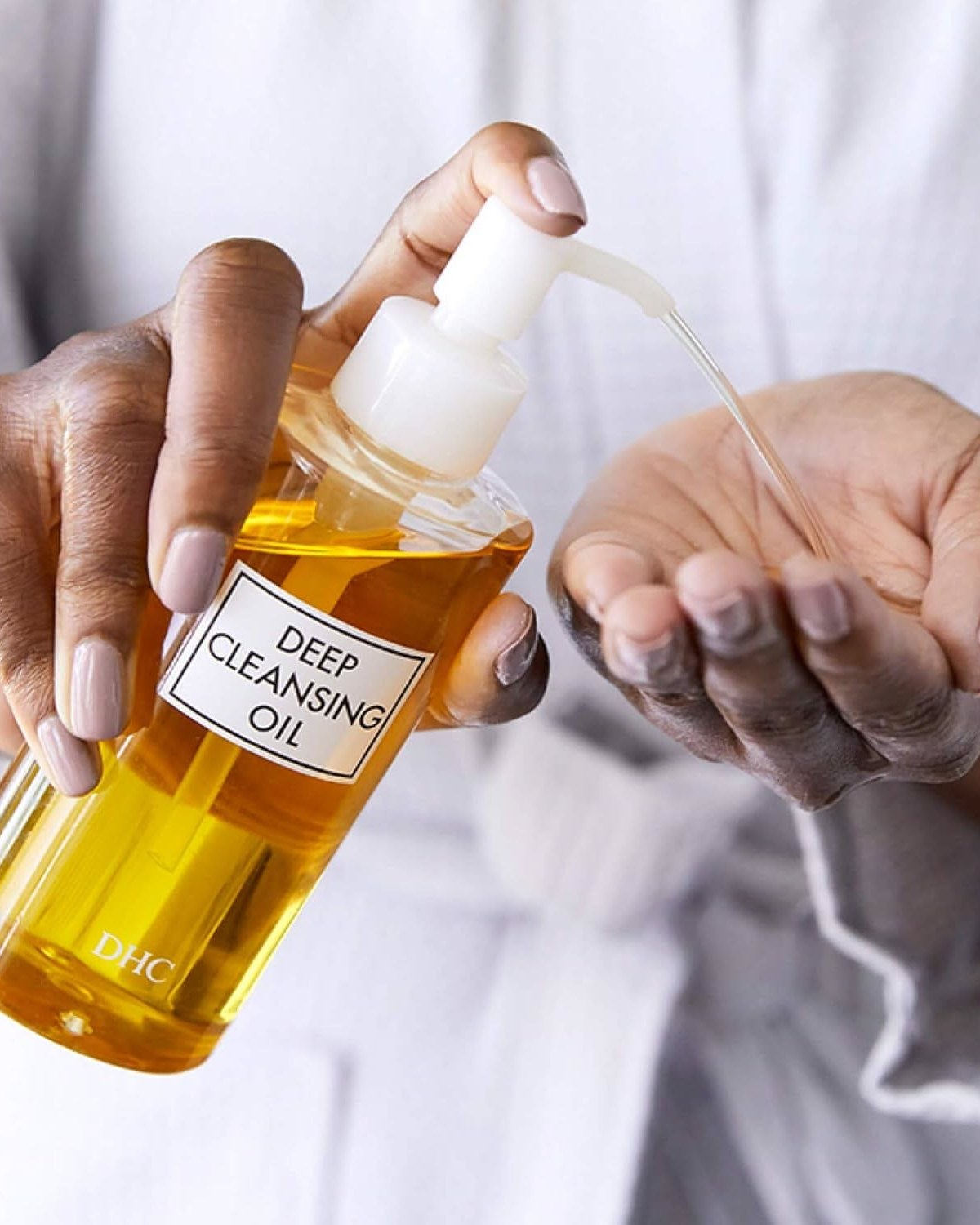
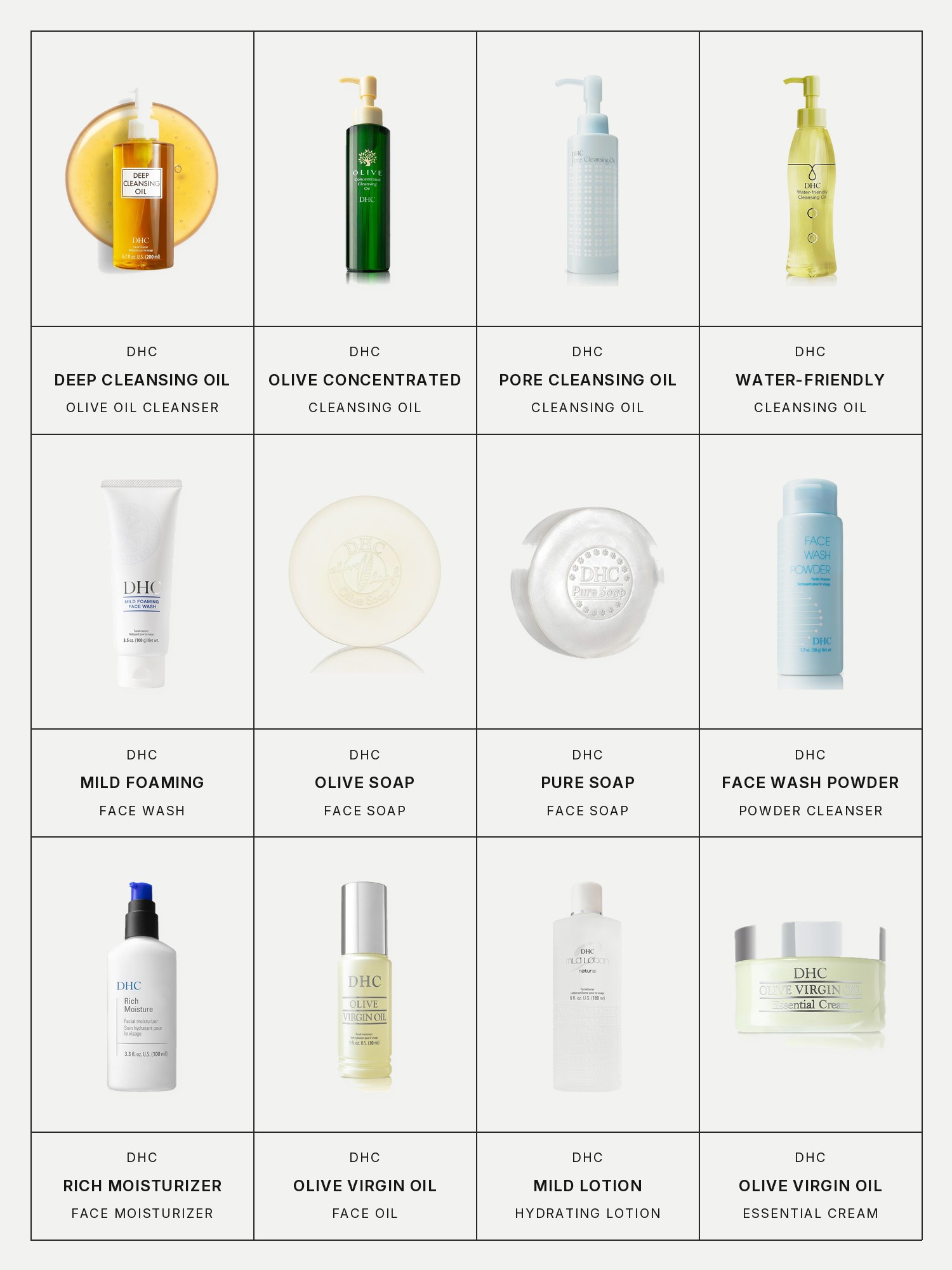
Nobody plans to buy a cleanser from a translation company, and yet that is how I ended up with DHC. The letters stand for Daigaku Honyaku Center, which means University Translation Center, and in 1972 Yoshiaki Yoshida started it in Tokyo as exactly that. Cosmetics came in 1980 with Olive Virgin Oil, and a mail-order business followed in 1983. In 1995 the company introduced the Deep Cleansing Oil that most people know it for. I like a brand with a strange origin, because the products have to stand up without a glamorous backstory. These do it by being plain: a clear bottle, a short idea, oil dissolves oil. That matters for makeup, sunscreen and sebum, which all cling to skin. The Japanese routine built around it asks you to double cleanse, an oil first and then a water-based wash, and the Cleveland Clinic describes it the same way. Its dermatologist, Dr. Jane Wu, also says most people do not need it every night, and I agree. Here is a tour of twelve pieces in the order you would use them, starting with the four oils.


The second wash
The second wash is where people get sloppy, so I like that DHC gives it four different shapes. Mild Foaming Face Wash is the easy one, made with organic olive oil and honey, and the brand calls it suitable for all skin types including sensitive skin. Olive Soap is the bar for dry and mature skin, and Pure Soap is the same idea for oily and blemish-prone skin, both without fragrance or colorant. The directions say to build the lather in your palms first, and I follow them, because a bar dragged across a face is never gentle. Face Wash Powder is the odd one out, a lightweight enzyme powder with honey, sodium hyaluronate, lavender and licorice that the brand recommends for travel. One tip from the Cleveland Clinic guide: keep your skin damp between the oil and the wash, and rinse both with lukewarm water. Hot water is how this routine goes wrong.
Four for the second wash


Moisture that follows
Grid three is the part of the routine that keeps the first two from being a mistake. Olive Virgin Oil is where the brand started in 1980, and its listing says it is made from handpicked organic olives from Spain, extracted before the first crush and ultra-purified in a laboratory in Japan. It is also the most flexible bottle here, since the brand says it can go on face, cuticles, arms, legs and dry hair ends. Olive Virgin Oil Essential Cream is the richer, cushier cousin, built on the pure olive oil the brand calls flor de aceite. Mild Lotion is the thin, alcohol-free third step of the Japanese four step routine, made with cucumber and licorice, and Rich Moisturizer is the light one, which the brand says works in all climates, including warm and humid ones. What I would skip is pouring oil over a face still wet with cleanser, or swiping the lotion on with a rough cotton pad. Press, do not rub, and give each layer a minute to settle.


How I would build the shelf
If I were starting from nothing, I would buy one cleansing oil, one wash and one moisturizer, and stop there. DHC rewards a short, consistent routine, because the whole brand grew out of one ingredient and a clear order of steps. Use the oil on dry skin in the evening, rinse, wash, and follow with something soft. Skip the second step on days without makeup or sunscreen, which is the point the dermatologists I read keep making, and ask your own dermatologist if your skin reacts to any of it.