Cicaplast Baume B5 is the La Roche-Posay balm I use when my skin feels thin, tight or a little shocked. Here are the creams that share its calm approach, the serums and toners that build a stronger barrier underneath, and the lip treatments that finish the job.
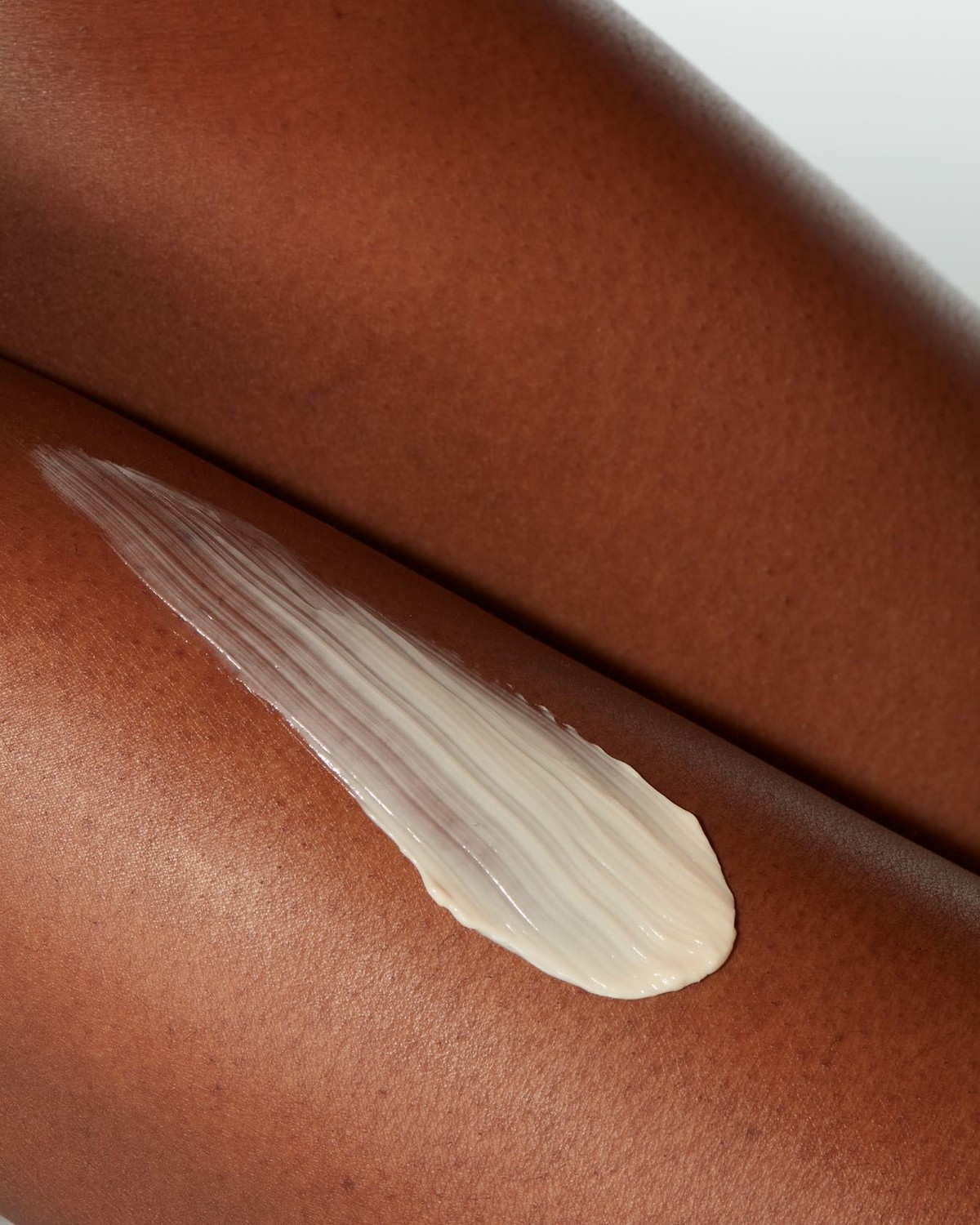
Cicaplast Baume B5 and the Quiet Pharmacy Logic Behind My Barrier Shelf
La Roche-Posay was founded in 1975 by a pharmacist, René Levayer, around the thermal spring water of the French town that gave the brand its name. It became part of a parent company's Active Cosmetics Division in 1989, and it has kept that clinical, low-drama tone ever since. That pharmacy background is why I trust the brand when my skin is being dramatic. Cicaplast Baume B5 launched in 2010 and is built around panthenol, which is pro-vitamin B5, and madecassoside, a compound from Centella asiatica, the plant everyone shortens to cica.
Cica is native to tropical Africa, Asia, Australia and some Pacific islands, and it has become the calming ingredient of the moment, but Cicaplast has been around since well before the trend peaked. The texture is a soft, slightly thick balm that spreads thin and leaves skin comfortable instead of shiny. I use it after over-exfoliating, after a windy weekend, and around the nose in cold season.
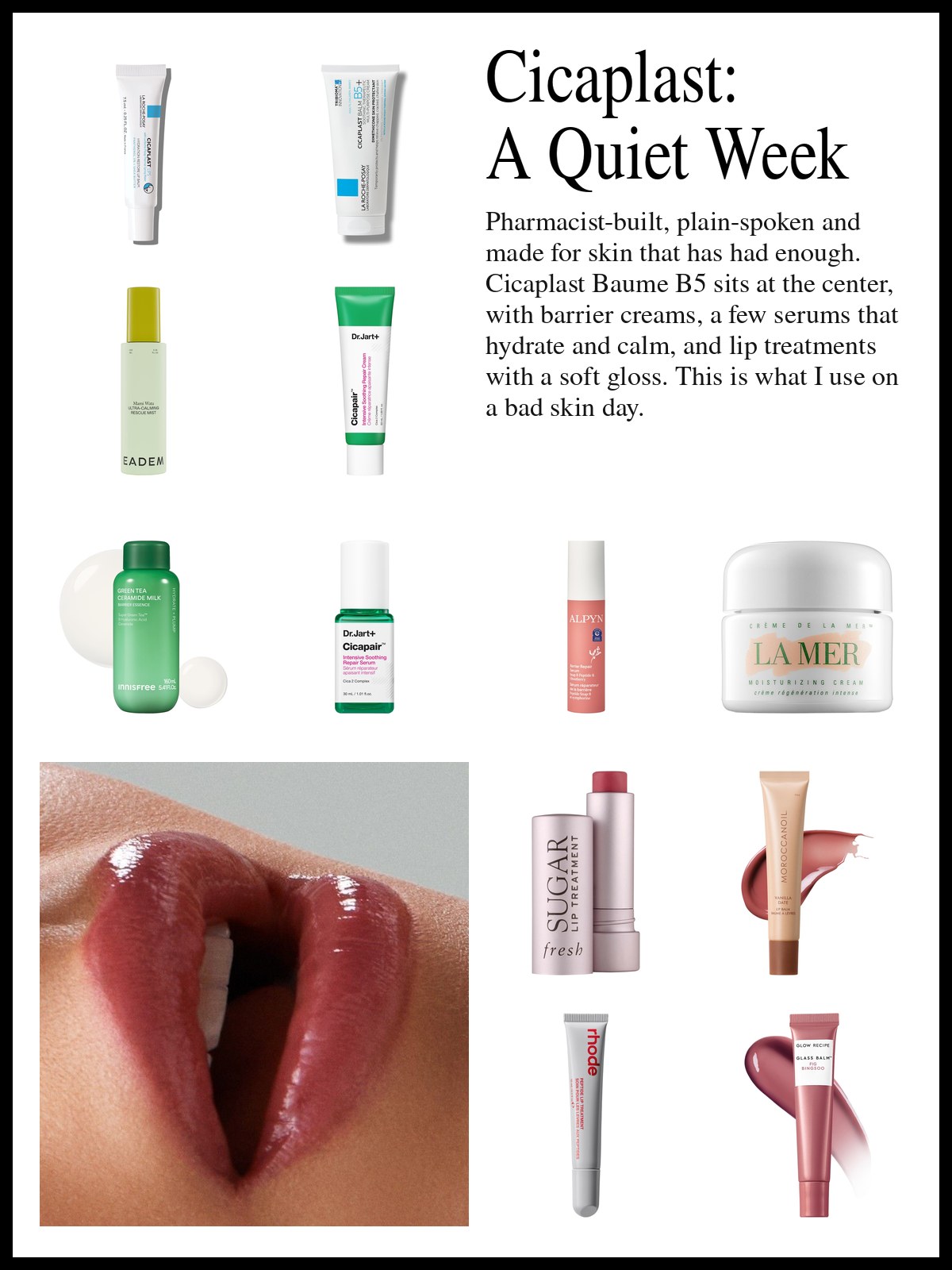
The rest of this first grid is my favorite kind of company. La Roche-Posay also makes Cicaplast Lips, a lip balm that carries the same idea to a smaller tube. Eadem's Mami Wata is a face mist with cica, panthenol and ectoin for sensitive, irritated skin, good over the top of a balm at midday. Dr. Jart+ Cicapair is a moisturizer for redness, Aestura's ATOBARRIER365 is a ceramide and niacinamide cream, and Dermalogica's Stabilizing Repair Cream adds cica and a ceramide-building complex for sensitive skin.
Cicaplast and other barrier creams

Cicaplast Lips Hydration Restore Lip Balm
La Roche-Posay
$9.99

Cicaplast Balm B5+
La Roche-Posay
$32.99

Mami Wata Barrier Strengthening Face Mist with Cica, Panthenol, Ectoin for Sensitive, Irritated Skin
Eadem
$44

Cicapair Sensitive Skin Moisturizer for Redness
Dr. Jart+
$52

ATOBARRIER365 Cream Moisturizer with Ceramides & Niacinamide for Skin Moisture Barrier Repair
Aestura
$32

Stabilizing Repair Cream Moisturizer with Cica & Ceramide-Building Complex for Sensitive Skin, Redness & Barrier Repair
Dermalogica
$69
Serums and creams that build the barrier
A balm is a great first response, but it works better if the layers underneath are calm as well. When my skin is unhappy, I strip the routine down to two things that hydrate and one that seals.
Start with a toner that is soft, not stingy. innisfree's Green Tea Ceramide milk toner is refillable and made for hydration and barrier care, and it feels like a light lotion you can press into a damp face. Dr. Jart+ also makes a Cicapair serum for redness and barrier repair, and using it with the matching cream in grid one is a very simple pair. Danessa Myricks Beauty's Yummy Skin Barrier Boost is a plumping serum with hyaluronic acid and ectoin, the one I use for that tight, dehydrated feeling after a flight.
Creams come next. Innbeauty Project's Recharge Gel Cream is a refillable, smoothing moisturizer that suits skin that runs warm. Crème de la Mer is the rich, classic option, and it fits days when skin needs cushioning more than lightness. Alpyn's 3-in-1 serum includes azelaic acid, so it is the most active thing here, and I would patch test it and introduce it on its own, never in the same week as anything new.
I press every serum into skin that is still damp, then close with a cream, then a balm only where skin feels rough. It takes about three minutes, and that speed is the point, because a routine this short is one you will actually keep.
Barrier serums and creams

Green Tea Ceramide Refillable Korean Milk Toner for Hydration & Barrier Repair
innisfree
$24

Cicapair Sensitive Skin Serum for Redness and Barrier Repair
Dr. Jart+
$54

3-in-1 Barrier Repair Serum with Azelaic Acid for Hyperpigmentation, Firming & Redness Relief
Alpyn
$58

Crème de la Mer Moisturizer for Anti-Aging and Barrier Repair
La Mer
$390

Yummy Skin 10/10 Barrier Boost Hyaluronic Acid + Ectoin Plumping Serum
Danessa Myricks Beauty
$42

Recharge Gel Cream Smoothing & Plumping Refillable Moisturizer for Barrier Repair + Dullness
Innbeauty Project
$48
Lip treatments with a little shine
Lips are the first place a bad week shows up. They meet wind, coffee and masks all day, and they tell you exactly when the barrier has slipped. So I treat them as part of the routine, not an afterthought.
fresh's Sugar Lip Balm is the gentle, everyday treatment I keep near my bed. Moroccanoil's Lip Balm mixes argan butter with a peptide, and it feels cushiony without feeling heavy. rhode's Peptide Lip Treatment is the glaze that I put on when I want lips to look wet and healthy at the same time. Glow Recipe's Glass Balm is all shine and hydration, made for a quick swipe before a photo. Farmacy's Lip Smoothie adds vitamin C and a peptide, and it is the lighter choice. Maed's Revive Lip Balm is made for barrier repair, the plainest of the group, and the one I would pick if lips are already sore.
What I would skip: anything with a tingling, plumping or minty sensation while lips are cracked. That sting is not a sign that something is working, only that the skin has been irritated. Pick a soft balm, wear it under a mask if you need to, and let lips settle before you go back to anything with a kick. If chapping lasts longer than a few weeks, ask a doctor.
Lip treatments

Sugar Lip Balm Hydrating Treatment
fresh
$26

Lip Balm – Hydrating Argan Butter + Peptide Lip Treatment
Moroccanoil
$22

Peptide Lip Treatment Nourishing Glaze
rhode
$20

Glass Balm Lip Treatment for Shine & Hydration
Glow Recipe
$22

Lip Smoothie Vitamin C + Peptide Lip Balm
Farmacy
$22

Revive Lip Balm for Barrier Repair
Maed
$32
How to keep a quiet week going
To keep a quiet week going, change nothing else. No new acids, no new retinol, no new cleanser. Wash with lukewarm water, pat dry, and use the same three or four products morning and night.
The test is simple. If your skin stops stinging when you apply a moisturizer, and the tight, shiny look at the cheeks goes away, you are on the right track. Give it several days before adding anything back, and add one item at a time. Sunscreen is the one thing that should never take a break, so choose a gentle daily one and reapply it when you are outside. I also keep my phone notes open and jot down what I used each night, which makes it easy to trace anything that stings. If redness, burning or dryness sticks around, see a doctor or dermatologist and do not keep layering.