The best moisturizing shampoo and conditioner for frizzy hair depends on dryness and texture; compare hydrating pairs with humidity-focused options.
Moisturizing Shampoo and Conditioner for Frizzy Hair: By Need
A moisturizing pair starts with your hair type
The best moisturizing shampoo and conditioner for frizzy hair is a matched pair selected for your texture and dryness, not simply the label that promises the most smoothing. I would start with a light question: does hair feel dry through the lengths, or does it mainly puff up when the air turns humid? Those point to different wash-day priorities, and a richer conditioner is not automatically the answer for every head.
The American Academy of Dermatology recommends choosing products for your hair type, shampooing the scalp rather than the full length, and applying conditioner to the ends of fine or straight hair. For dry or curly hair, it recommends conditioner along the full length. That is the practical part I would keep: cleanse the scalp, then place the conditioning where the dryness is.
A moisturizing pair makes the most sense when lengths feel rough, dull or hard to detangle after washing. For fine hair, I would focus on a lightweight conditioner and use less; for coarse or curly hair, I would let the conditioner do more of the work. The best first test is the simplest pair that addresses the problem you actually have.
Match the formula to dryness, not only weather
For thick, coarse hair I would reach for a richer conditioner than I would use on fine, straight hair, and curl pattern changes how much slip I want after washing. I would not treat frizz as a hair type: it is a complaint that can come with dry lengths, humidity or both. Start with the label that fits your texture, then decide whether the conditioner is rich enough for the ends without flattening the roots.
If texture is the bigger question, the shampoo and conditioner pairs sorted by hair type are a useful comparison. For a simple wash day, my preference is to keep one pair on the shelf and use it consistently before adding a mask or styling product.
Moisture and humidity ask for different tests
Frizz on a wet day and frizz on a dry, over-washed length are not the same shopping problem. I would note when it appears: right after washing, after a few hours outdoors, or after heat styling. A hydrating shampoo and conditioner can make sense when the lengths feel dry, but a formula promising humidity resistance should be judged on a damp day, not only in a dry bathroom.
Keep leave-ins and styling tools constant so the wash pair gets a fair try. If a performance number comes from a multi-product routine, I would treat it as a system claim, not a promise from the shampoo alone. That distinction makes the comparison more honest and keeps me from chasing every anti-frizz label.
Three matched pairs for different needs
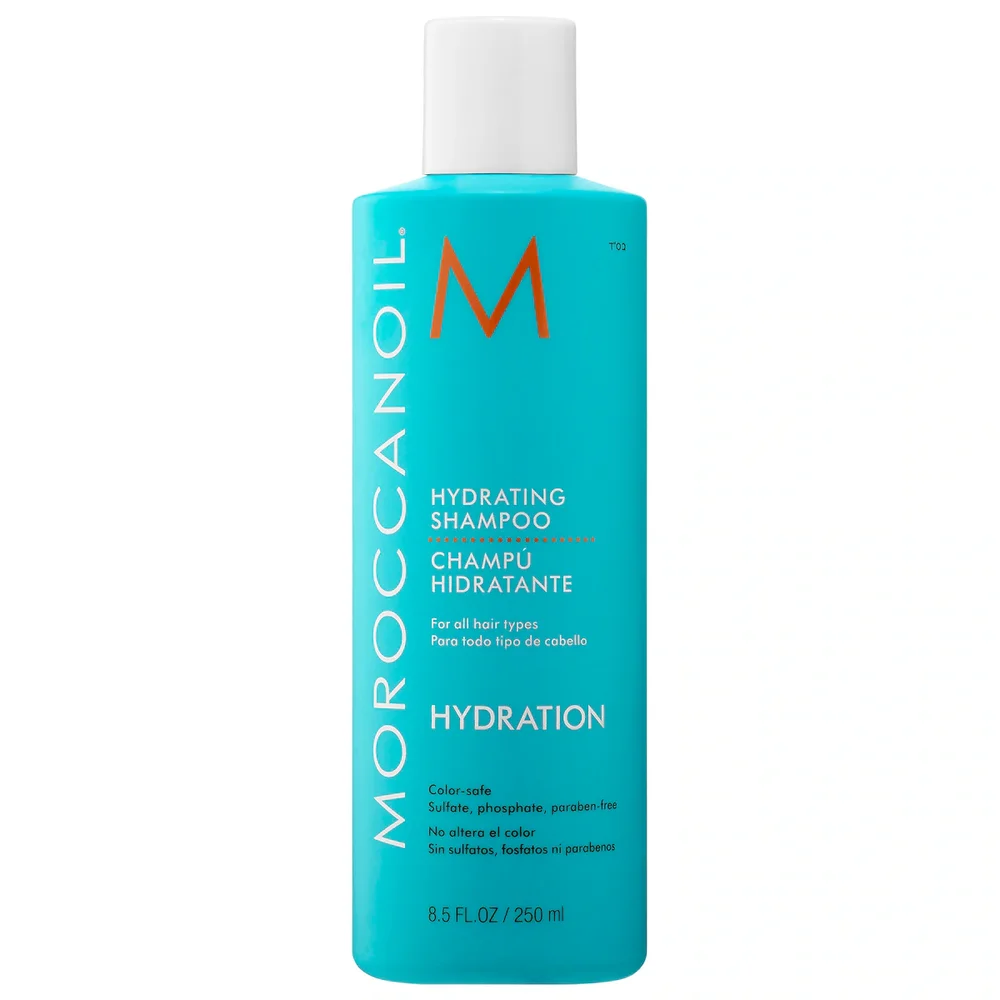
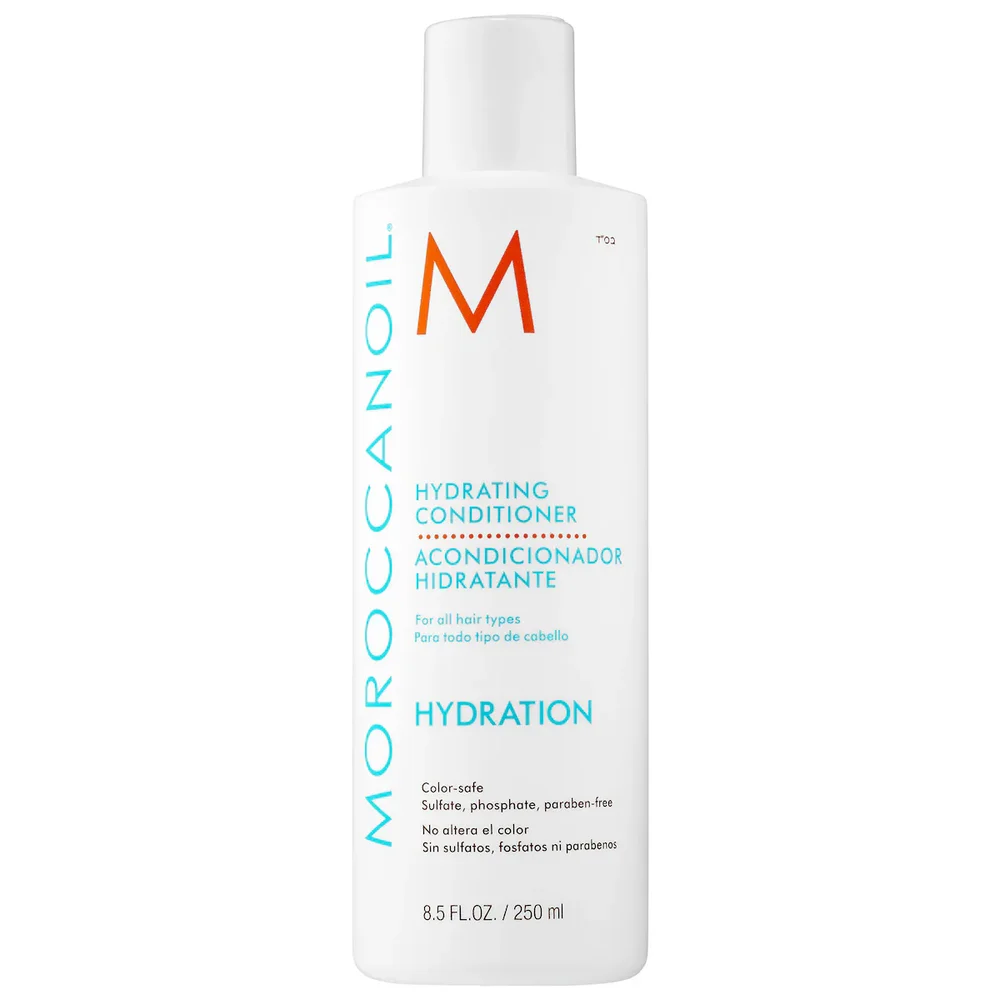
Moroccanoil Hydrating Shampoo and Conditioner is the clearest hydration-first pair for lengths that feel dry or dehydrated. The duo is positioned for all hair types and combines argan oil, red algae and vitamins A and E, so it is the pair I would try when softness and manageability matter more than a heavy anti-frizz promise.
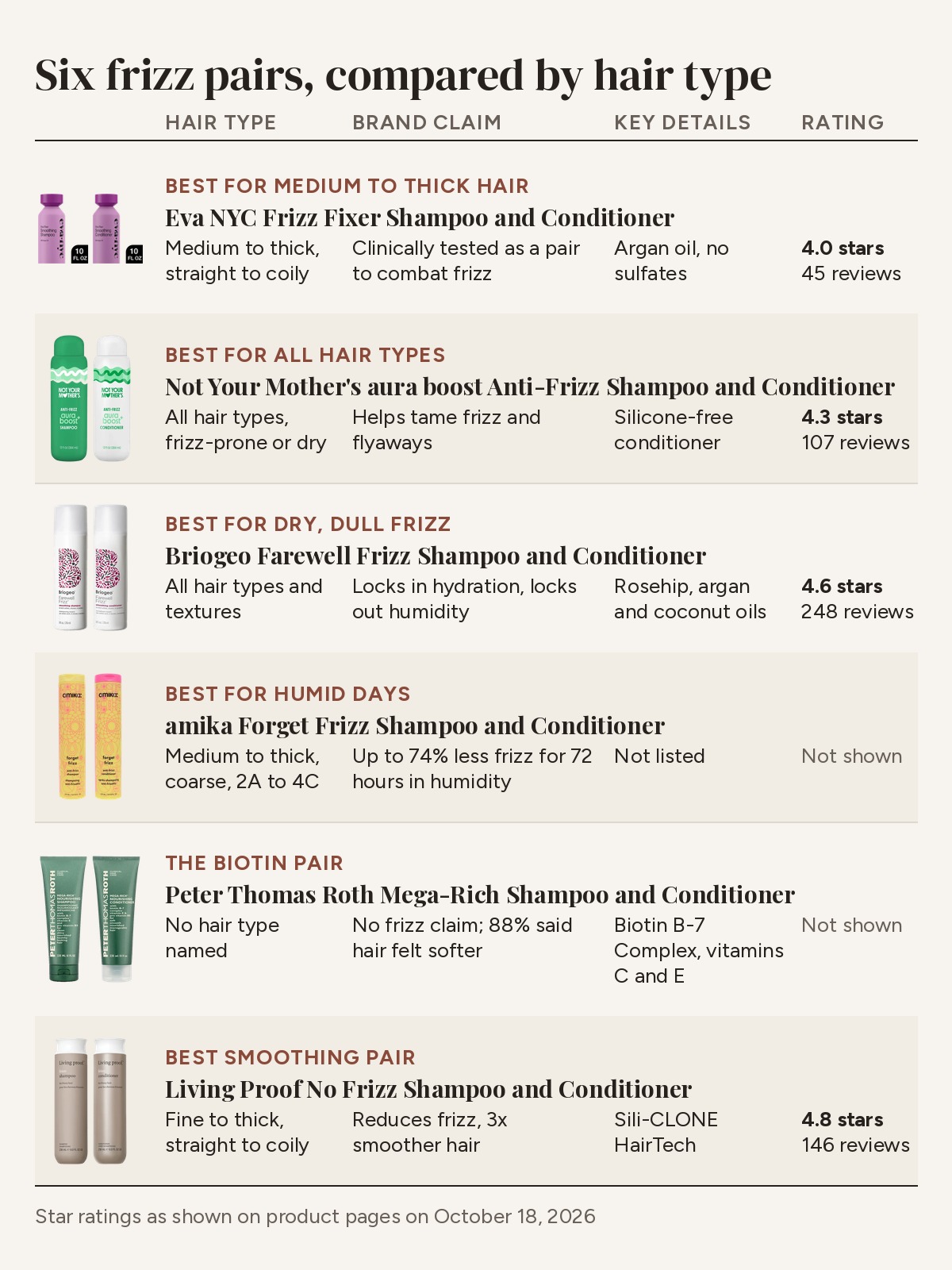
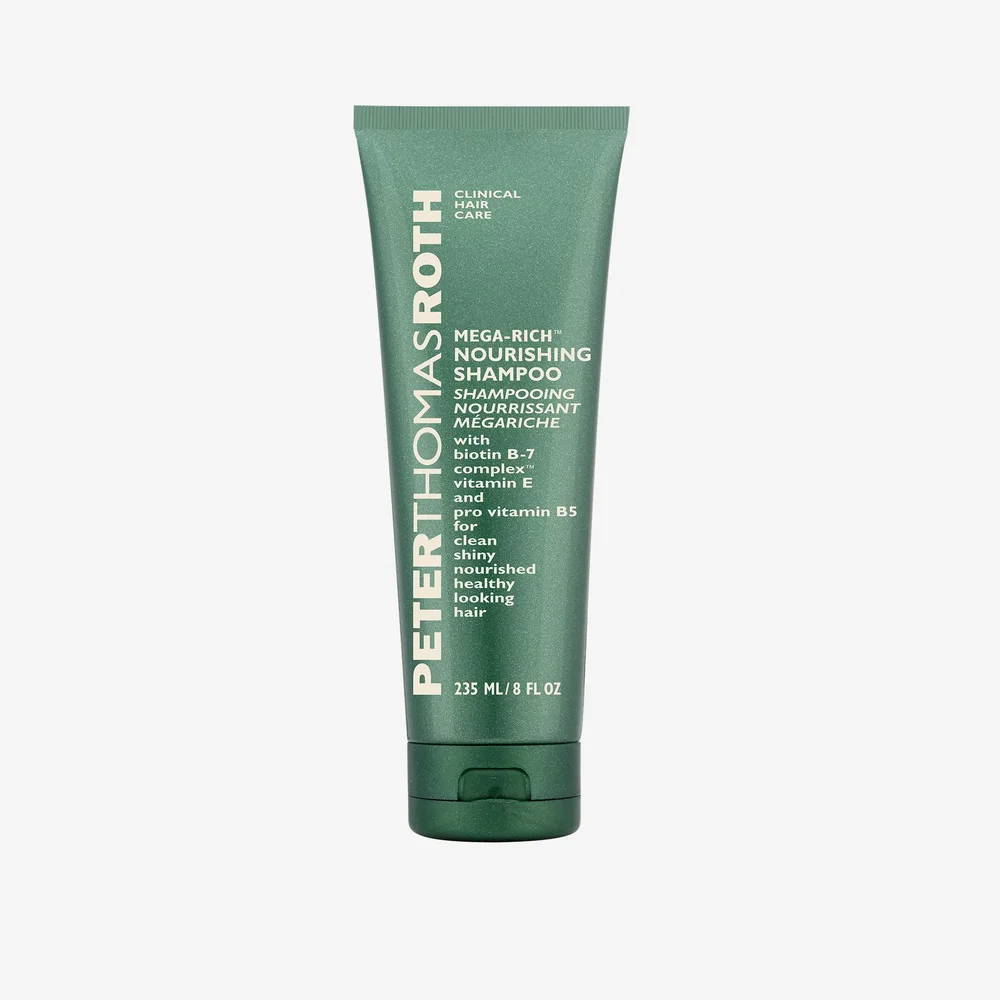
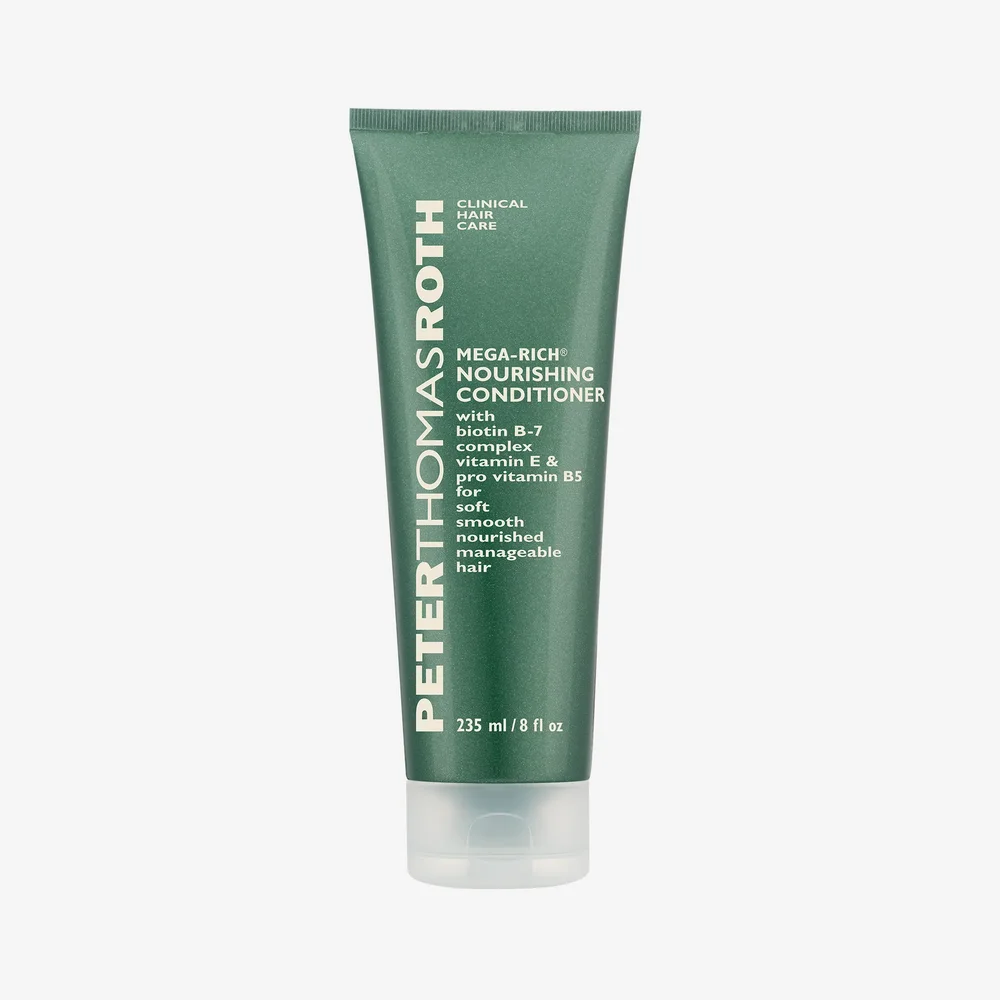
Peter Thomas Roth Mega-Rich Shampoo and Conditioner reads more as a softness-and-shine set: its formula highlights Biotin B-7 Complex, vitamins C and E, and pro vitamin B5. In a three-day consumer study of 34 women using the pair, 88% said their hair felt softer and smoother. I would consider that a softness signal, not proof that it controls humidity.
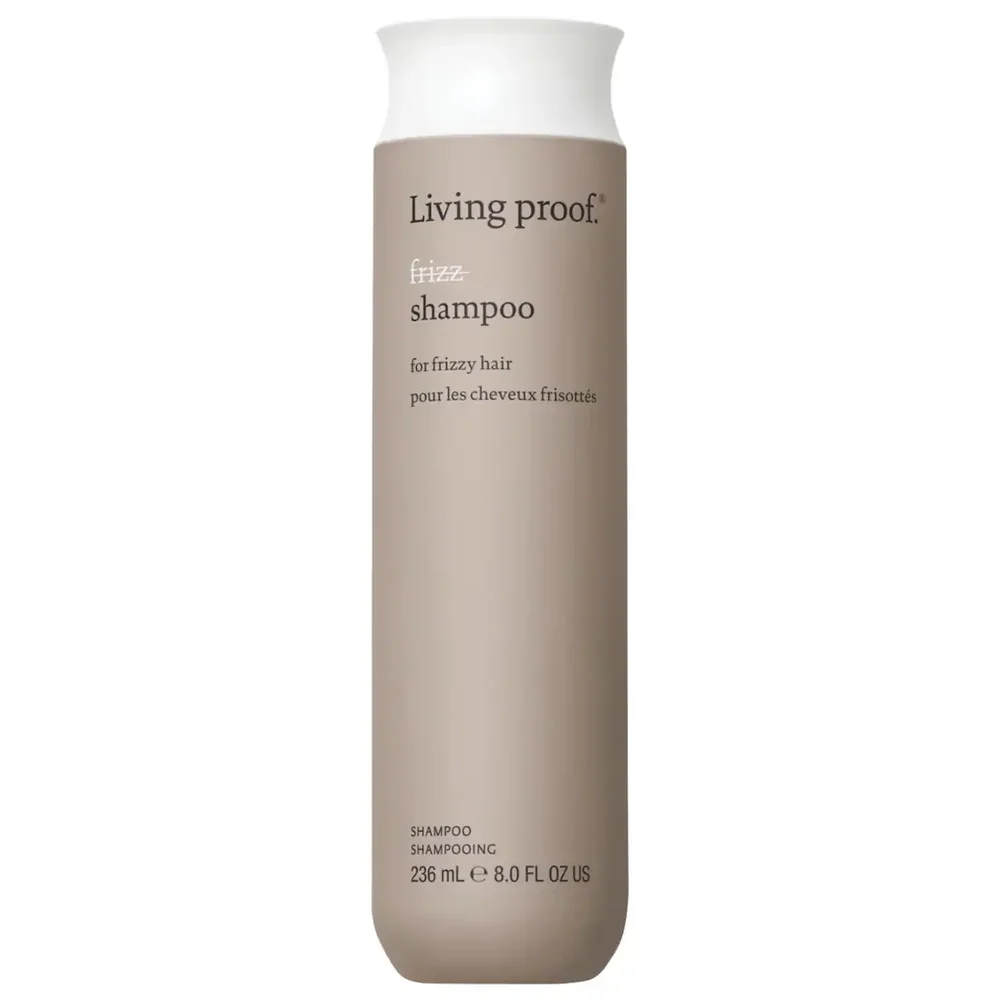
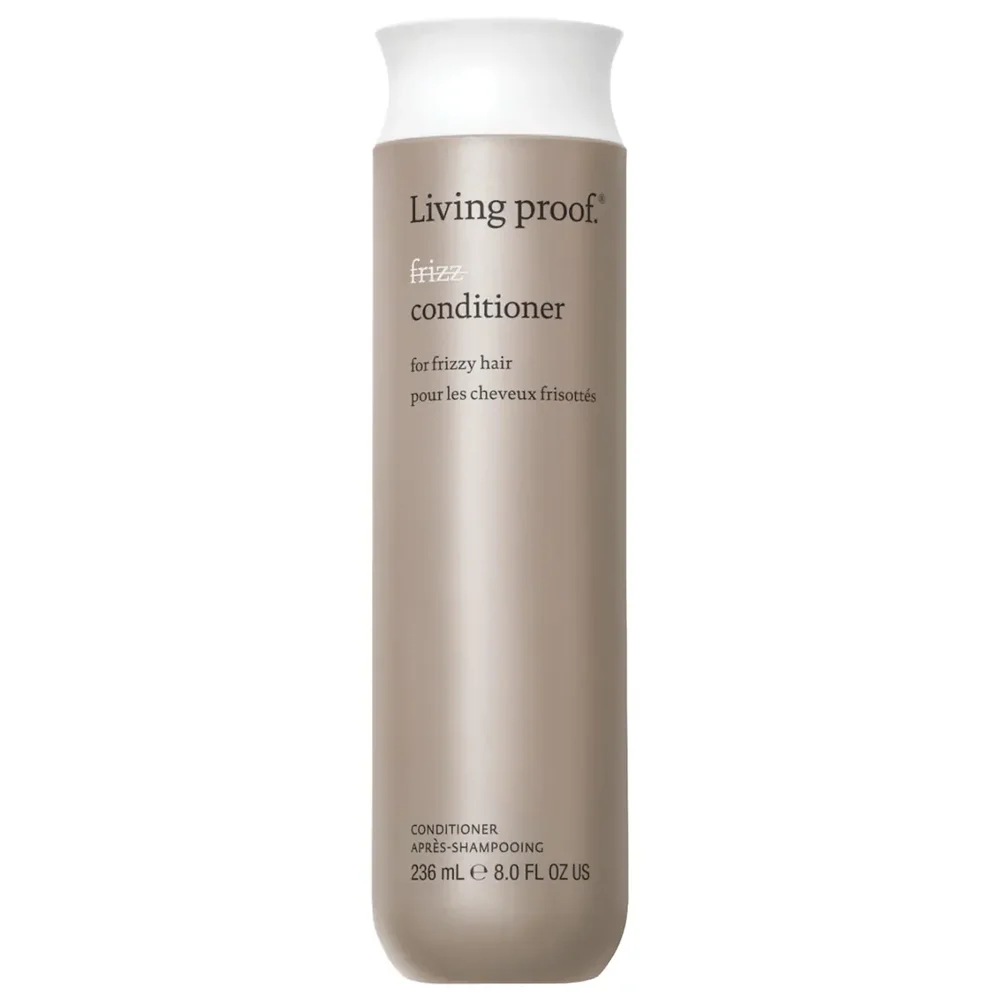
Living Proof No Frizz Smoothing Shampoo and Conditioner is the more direct pick when humidity is the problem. Its silicone-free pair is designed for frizz-prone hair, and Living Proof's 3x smoother claim is based on using the shampoo and conditioner together. My split is simple: Moroccanoil for dry lengths, Living Proof for humidity, Peter Thomas Roth when softness is the first priority.
How I would test a pair in humid weather
A fair test means changing one thing at a time. Use the shampoo and conditioner together as directed, keep the leave-in and drying method steady, and compare the result on days with similar weather. I would note three things: whether the lengths feel softer, whether the shape holds after time outside, and whether the roots feel weighed down.
Take a quick photo in the same light before the first wash and after several uses. The point is not to create a laboratory at home; it is to separate a formula that feels pleasant in the shower from one that helps with the specific frizz you notice later. I would not call a pair a humidity win based on a dry indoor day, and I would not judge a moisturizing pair only by how it changes shine.
When hair is thirsty rather than damaged
Moroccanoil Hydrating Shampoo with Argan Oil and Hydrating Conditioner with Argan Oil are the pair I would reach for when dry lengths need moisture. The brand describes the duo for all hair types, with argan oil, red algae and vitamins A and E; it directs conditioner from mid-lengths to ends for one to two minutes. That application makes sense to me, especially if the roots get oily before the ends do.
Peter Thomas Roth Mega-Rich Shampoo and Mega-Rich Conditioner are another complete pair, but I would pick them for softness rather than a specific humidity claim. The vitamin-infused formulas use Biotin B-7 Complex with vitamins C and E and pro vitamin B5. If the question is the cleanser alone, the shampoo for dry, frizzy hair is a useful next read.
A simple pair for humidity-prone frizz
Living Proof No Frizz Smoothing Shampoo and Conditioner is the most straightforward pair here when frizz-prone hair gets puffier in humid weather. The silicone-free duo is designed to smooth and control frizz, and its 3x smoother claim is based on the two products used together rather than either bottle alone. I like that distinction: it sets a clear expectation about how to test the pair.
I would use the conditioner where it is needed, then see how the lengths look after a few hours outside. If your hair is fine or straight, keep conditioner to the ends; if it is dry or curly, condition more of the length. A matched pair is not automatically the right weight for every texture, so I would stop if the roots feel flat and adjust the amount before switching everything else.
Curls, thick hair and the claims I would qualify
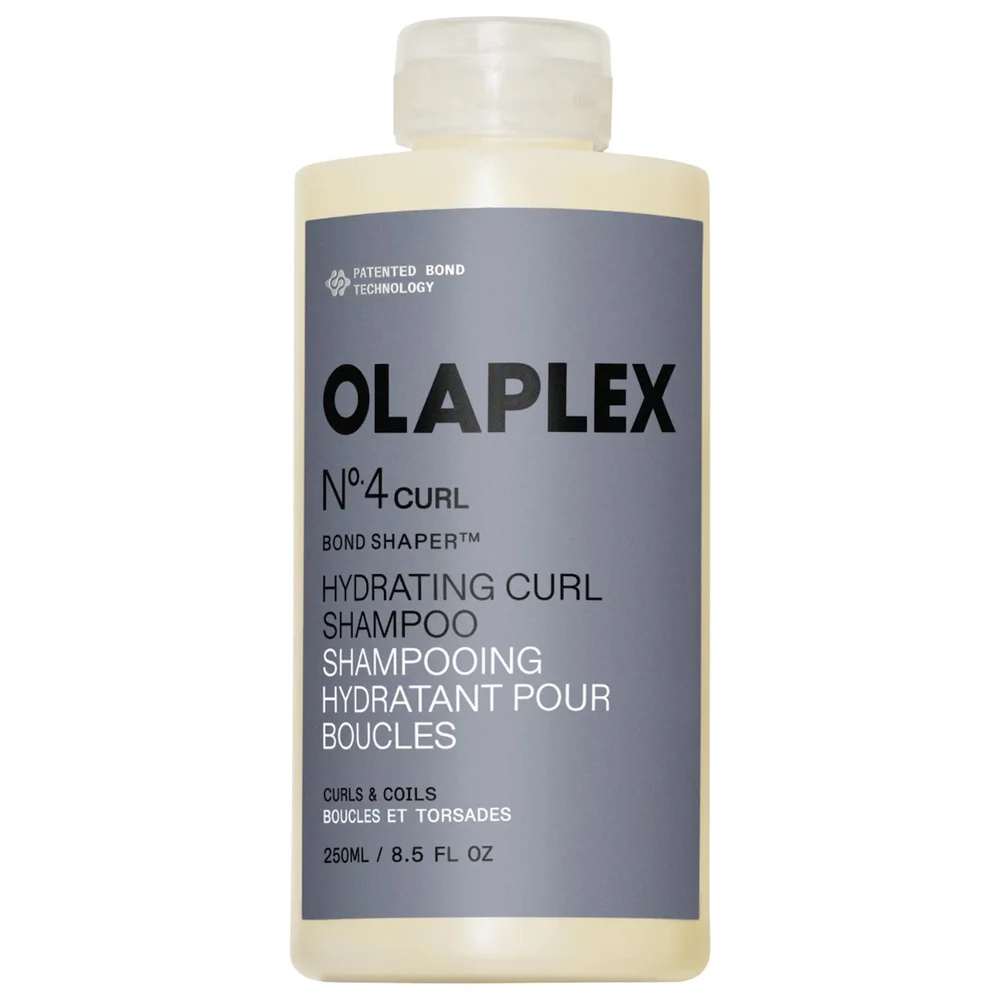
For curls, Olaplex N°4CURL Bond Shaper Hydrating Curl Shampoo is made for coily, curly and wavy hair across porosity levels. Its claim of up to 50% less frizz in high humidity is tied to a shampoo-and-conditioner system, so I would treat the shampoo as one part of a wash routine rather than a complete pair.
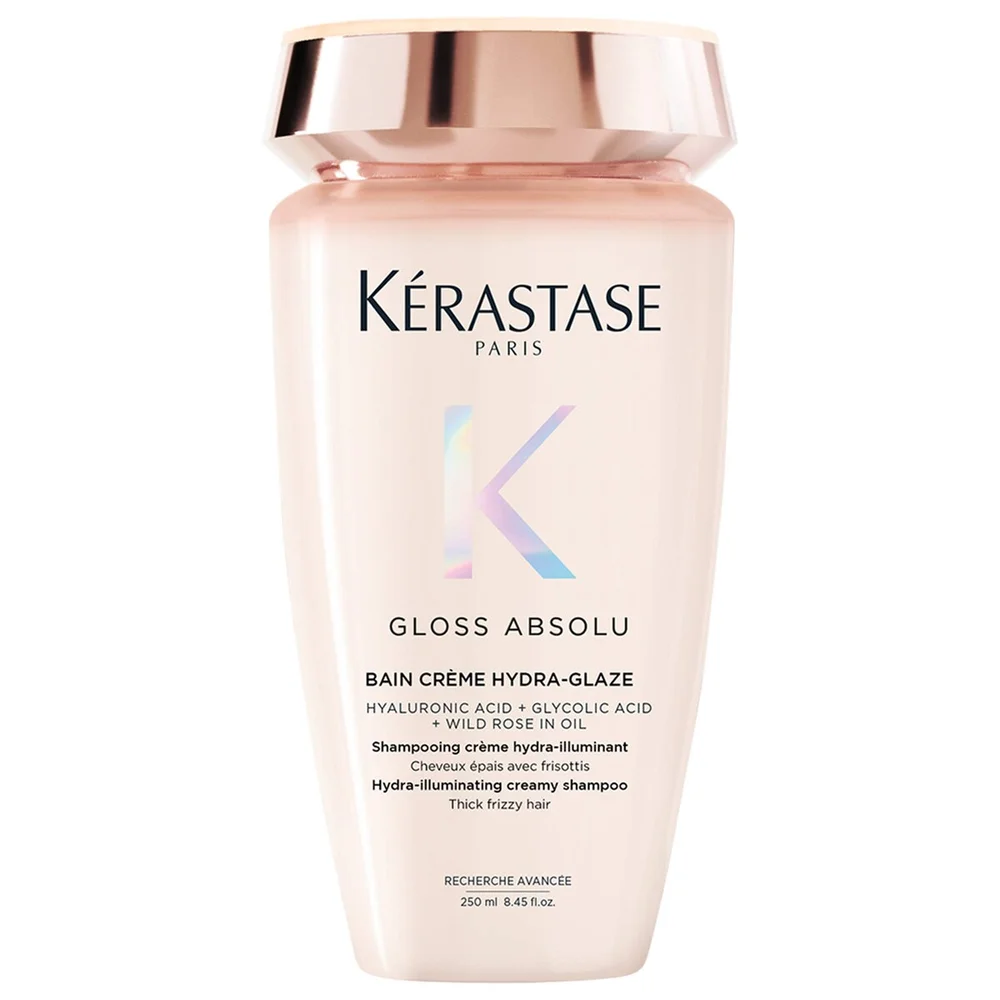
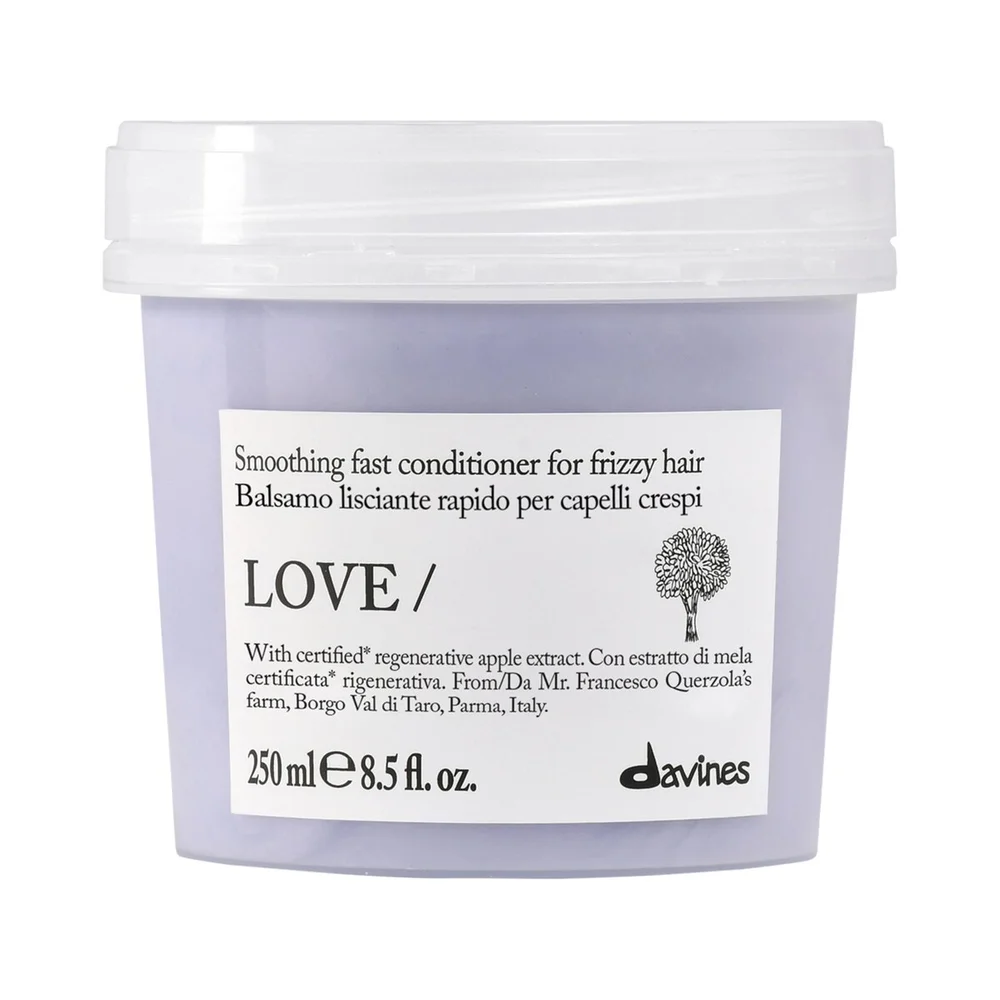
Kérastase Gloss Absolu High-Shine Anti-Frizz Shampoo for Medium to Thick Hair is a more targeted cleanser for thicker, frizz-prone hair, with hyaluronic acid, glycolic acid and wild rose in oil. The up-to-four-day anti-frizz result was tested with a shampoo, mask and cream system, not the shampoo alone. Davines LOVE Smoothing Conditioner for Frizzy Hair is formulated for thick, coarse hair; its 72-hour claim also comes from a shampoo, conditioner and lightweight milk routine. I would judge each claim by the routine tested, then choose the one product whose job fits my own hair.
Shampoo and conditioner questions
What is the best moisturizing shampoo and conditioner for frizzy hair?
Start with a matched pair for your texture and the kind of frizz you notice. I would try Moroccanoil Hydrating when dry lengths need moisture, or Living Proof No Frizz when humidity is the bigger problem.
What is the best shampoo and conditioner for dry frizzy hair?
Moroccanoil Hydrating Shampoo and Conditioner is the moisture-first pair I would test; the brand positions it for all hair types and uses argan oil and red algae.
Which shampoo and conditioner is best for thick frizzy hair?
Kérastase Gloss Absolu shampoo is specifically for medium to thick hair prone to frizz. Davines LOVE Smoothing Conditioner is aimed at thick, coarse frizzy hair, but it is a conditioner rather than a matched pair.
What is a good shampoo and conditioner for frizzy straight hair?
Living Proof No Frizz is a pair for frizz-prone hair. The American Academy of Dermatology recommends applying conditioner to the ends of fine or straight hair.
How often should I wash frizzy hair?
The American Academy of Dermatology recommends washing based on how oily or dirty the hair gets. Dry, textured, curly or thick hair may need less frequent shampooing.
Can one pair help with both dryness and humidity?
It can, but I would decide which problem matters most and test for it. Moroccanoil is the hydration-first option, while Living Proof makes a humidity-focused claim for its pair.
How I choose a moisturizing pair
I sort by three things: hair texture, dryness through the lengths, and whether frizz is worse outdoors. Then I check whether the claim belongs to one bottle or a full routine. Moroccanoil's pair centers on moisture, Living Proof's smoothness claim is based on shampoo and conditioner together, and the longer claims for Olaplex, Kérastase and Davines depend on additional products.
I also keep the wash routine simple while testing. Shampoo the scalp, apply conditioner where your texture needs it, and leave styling products unchanged. That makes it easier to tell whether a pair is doing enough or whether the real issue is heat, buildup or a product that is too rich for the roots. I would rather have a clear two-step routine that suits my hair than collect formulas with overlapping promises.
The pair I would start with
If my lengths felt dry and rough, I would start with Moroccanoil Hydrating Shampoo and Conditioner. If humidity made my hair puff up, I would test Living Proof No Frizz Smoothing Shampoo and Conditioner instead. The first is a moisture-first option for all hair types; the second is positioned around frizz control and a smoother finish when used as a pair.
I would skip buying the richest formula just because my hair looks frizzy. Fine or straight hair may need conditioner only at the ends, while dry or curly hair often needs it along more of the length. This advice is for anyone who wants a simple moisturizing wash routine and can identify whether dryness or humidity is the bigger problem.