A313 is the French pharmacy pommade that started a thousand retinoid conversations, and this edit puts it on the ladder next to the retinal and retinol serums around it. I explain the rungs one product at a time, and how to climb them slowly.
A313 Retinoid: Where It Sits on the Vitamin A Ladder
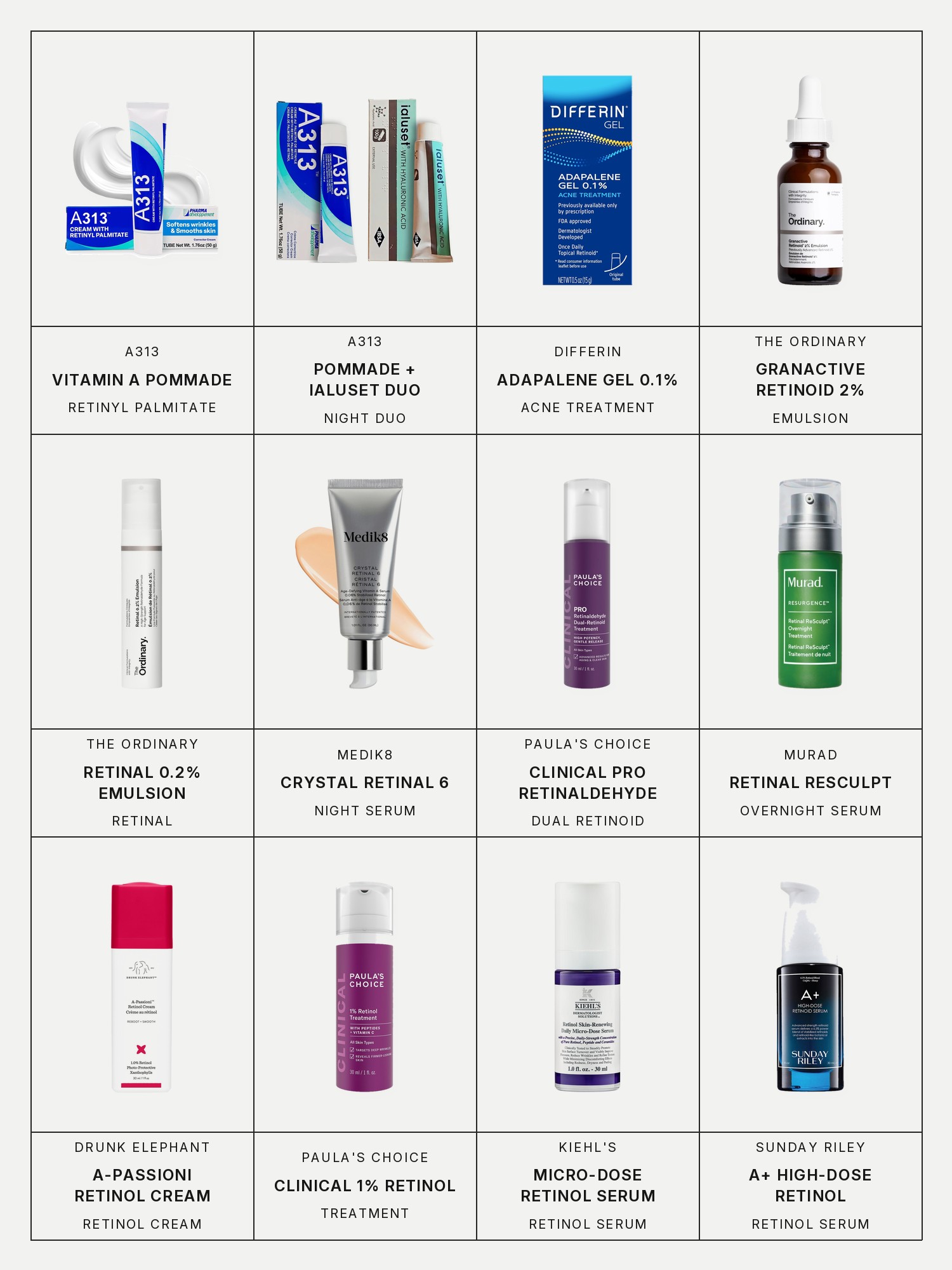
A313 is a squat aluminum tube that sat quietly in French pharmacies for decades before Americans started carrying it home in suitcases. The French medicines database lists A 313 as a vitamin A pommade held by Pharma Développement, declared on the market in 1965 and authorized in 1998, with a one line indication for irritated skin, applied once or twice a day. Vogue makes the same point: in France it was never sold for fine lines, and a Paris esthetician says it was made to soothe irritation and help the skin barrier heal. Its second life on social media, Vogue says, is America buying the idea of French pharmacy, the French pharmacy vitamin A everyone kept asking about. DermApproved calls today's A313 the heir to Avibon, an older pommade that was discontinued and relaunched as a cosmetic in 2013, and describes the active as retinyl palmitate in a macrogol base. That detail matters, because retinyl palmitate sits at the gentle end of the retinoid family. Differin sits at the other side of the room. It is adapalene, approved in the United States as a prescription product in 1996 and cleared for over-the-counter acne use on July 8, 2016, according to the FDA. Below, the tube shares a grid with that gel, a night duo and a next-generation retinoid from The Ordinary.


The ladder, explained
Here is the ladder as dermatologists describe it. Skin can only use vitamin A as retinoic acid, so everything else is converted on the way, from retinyl palmitate to retinol to retinaldehyde, with some strength lost at each step. Retinal is one step from the finish, while A313 and its ester sit three steps back. Medik8 built its name on that idea. Elliot Isaacs started the brand in 2009, his first product came out of the shed behind his father's pharmacy, and Crystal Retinal followed in 2018 with a patent for stabilizing retinaldehyde and a ladder of strengths. Paula's Choice comes from Paula Begoun, who wrote Don't Go to the Cosmetics Counter Without Me and launched her line in 1995 because readers asked. Murad was founded in 1989 by Dr. Howard Murad, a dermatologist, and its overnight formula uses encapsulated retinal. The Ordinary keeps the label plainest, with Retinal 0.2% and nothing else to decode. My tip for any retinal serum is to start two or three nights a week and stay with one product for four to six weeks before you move up.


Retinol and the temptation to stack
Retinol is the rung most people know, and this grid shows how differently brands can use it. Drunk Elephant was founded in Houston in 2012 by Tiffany Masterson, and A-Passioni pairs 1.0% retinol with a triple-peptide blend and vitamin F in a cream. Paula's Choice makes its 1% retinol with peptides and vitamin C in a lightweight, lotion texture formula. Kiehl's has been around since 1851, when it opened as a pharmacy in Manhattan's East Village, and its Micro-Dose serum is meant for daily use, with ceramides and a peptide beside the retinol. Sunday Riley A+ blends retinol, a retinoid ester and a botanical alt-retinol with honey and CoQ10. What I would skip is stacking two of these in one night because two tubes sound stronger than one. A retinol cream over a retinal formula, or A313 over anything potent, mostly earns you redness and flaking. I would also skip switching products every time a new one appears in your feed, since a retinoid needs weeks in the same routine before you can tell what it is doing.


Sunscreen, patience and a doctor's word
Retinoids come with a few ground rules that have nothing to do with which tube you pick. The American Academy of Dermatology advises using them at night and wearing sun protection every day, because they can make skin more sensitive to sun. The Academy also says retinoids should not be used during pregnancy, so anyone who is pregnant or trying to be should ask a doctor before using one, including the gentle ones. If your skin is dry, inflamed or prone to redness, a dermatologist can tell you whether a retinoid suits you at all. Otherwise, start on the lowest rung that makes sense and let your skin set the pace.